
Introduction
Bridge construction presents unique challenges that differ significantly from residential, commercial, and industrial building projects. Unlike standard concrete structures, bridges often involve large spans, complex geometries, varying elevations, heavy loads, and demanding site conditions.
As a result, selecting the right formwork system is one of the most important decisions during bridge construction planning. The formwork solution directly influences construction efficiency, concrete quality, safety performance, labor requirements, and project costs.
However, bridge projects rarely use a single formwork system throughout construction. Different structural elements often require different solutions. A bridge pier may require a climbing formwork system, while a bent cap may utilize customized steel formwork. Box girder construction may rely on specialized bridge formwork systems, and long-span segmental bridges may require balanced cantilever construction equipment.
Understanding how formwork requirements vary between bridge components helps contractors choose the most suitable system for each stage of construction.
This guide explains how to select bridge formwork solutions for bridge piers, bent caps, box girders, and balanced cantilever construction while highlighting key engineering considerations and practical applications.
Why Bridge Formwork Selection Matters
Bridge formwork serves more than simply shaping concrete.
The right formwork system can help contractors:
- Improve construction efficiency
- Maintain dimensional accuracy
- Achieve consistent concrete finishes
- Reduce labor requirements
- Improve worker safety
- Minimize project delays
- Control lifecycle costs
Poor formwork selection can result in:
- Extended construction schedules
- Increased labor expenses
- Difficult installation procedures
- Concrete defects
- Safety risks
- Higher maintenance costs
Because every bridge structure has different requirements, formwork selection should always be based on engineering analysis and project-specific conditions.
Understanding Major Bridge Components
Before selecting a formwork system, it is important to understand the primary structural elements involved in bridge construction.
Bridge Pier
Bridge piers transfer loads from the bridge superstructure to the foundation.
Depending on the bridge design, piers may be:
- Solid rectangular piers
- Hollow piers
- Circular piers
- Tapered piers
- Variable-section piers
Pier height can vary from a few meters to over one hundred meters in major infrastructure projects.
Bent Cap
A bent cap is the structural element located above bridge piers that distributes loads from girders to the supporting columns.
Bent caps often feature:
- Large concrete volumes
- Complex reinforcement arrangements
- Heavy loading conditions
Box Girder
Box girders are widely used in modern bridge construction because they provide excellent torsional resistance and structural efficiency.
Box girders can be:
- Cast-in-place
- Precast
- Segmental
- Balanced cantilever structures
Balanced Cantilever Segments
Balanced cantilever construction is commonly used for long-span bridges where conventional falsework is impractical.
The bridge is constructed segment by segment from the pier outward until adjacent cantilevers are connected.
Formwork Selection for Bridge Piers
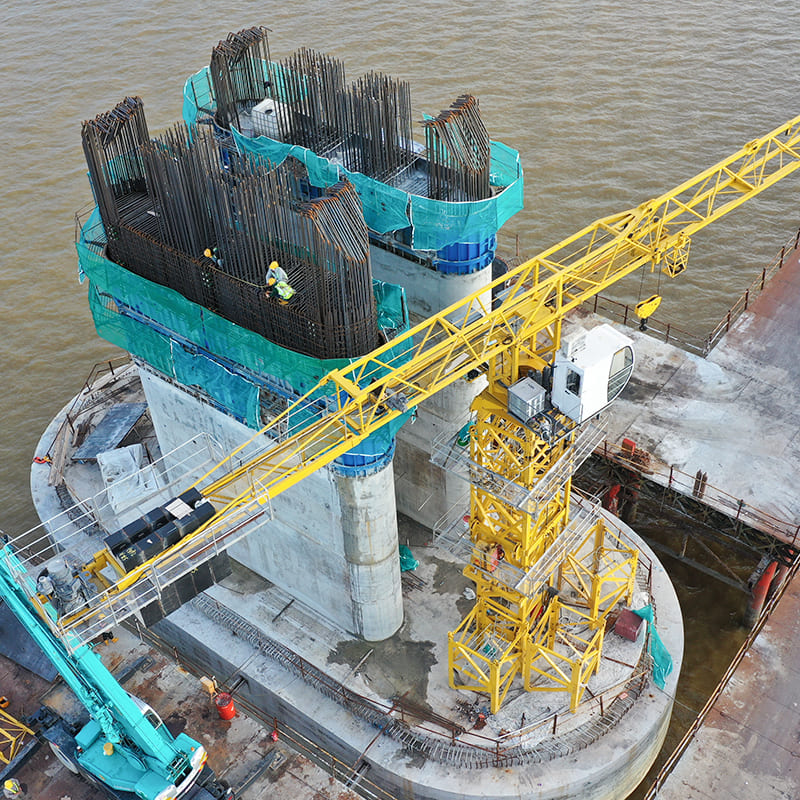
Bridge piers typically represent one of the first major structural elements constructed during bridge development.
The ideal formwork solution depends on:
- Pier height
- Cross-sectional shape
- Construction schedule
- Repetition requirements
- Site access conditions
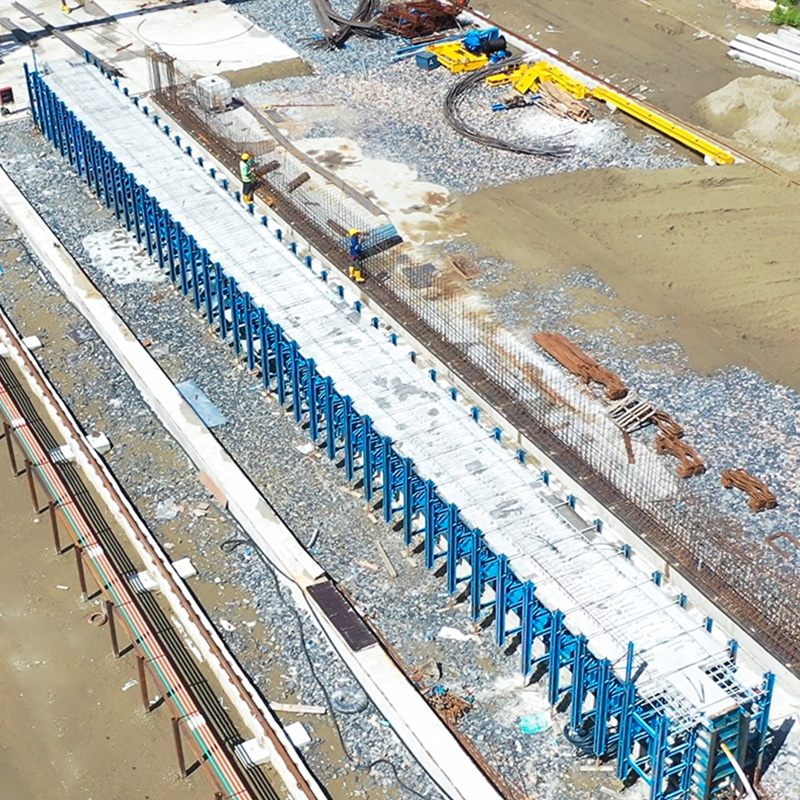
Recommended Solution: Customized Bridge Steel Formwork
For many bridge projects, the most effective solution is a customized Bridge Steel Formwork System.
Steel formwork offers:
- High strength
- Dimensional accuracy
- Excellent surface quality
- Long service life
- High repetition rates
These advantages are particularly important for large infrastructure projects where multiple bridge piers share similar geometries.
Engineering Considerations
When selecting pier formwork, contractors should evaluate:
- Pier dimensions
- Concrete pressure
- Lifting capacity
- Pouring sequence
- Reusability requirements
For tall bridge piers, climbing systems may also be incorporated to improve efficiency and safety.
Formwork Selection for Bent Caps
Bent caps often present unique construction challenges due to their size and reinforcement density.
Unlike piers, bent caps frequently require formwork systems capable of supporting substantial concrete loads while maintaining dimensional precision.
Recommended Solution: Heavy-Duty Steel Formwork
Steel formwork is commonly used because it provides:
- Structural rigidity
- High load-bearing performance
- Excellent dimensional control
- Repeated use capability
The Bridge Steel Formwork System can be customized according to bent cap geometry and project requirements.
Key Selection Factors
Important considerations include:
- Bent cap width
- Concrete volume
- Support conditions
- Lifting arrangements
- Construction sequence
Projects involving repetitive bent cap designs often benefit from reusable customized steel formwork systems.
Formwork Selection for Box Girder Construction
Box girders are among the most widely used bridge structures in modern infrastructure projects.
Their structural efficiency makes them suitable for:
- Highway bridges
- Railway bridges
- Urban viaducts
- Long-span structures
However, box girder geometry can be highly complex.
Recommended Solution: Specialized Box Girder Formwork
Box girder formwork must accommodate:
- Internal cavities
- Variable cross-sections
- Prestressing ducts
- Reinforcement congestion
The Bridge Steel Formwork System can be engineered specifically for box girder construction to ensure dimensional accuracy and efficient assembly.
Engineering Factors to Evaluate
When selecting box girder formwork, engineers should consider:
- Span length
- Girder depth
- Construction method
- Segment length
- Repetition frequency
- Transportation requirements
The appropriate solution may vary depending on whether the bridge uses cast-in-place or precast construction methods.
Formwork Selection for Balanced Cantilever Construction
Balanced cantilever construction is commonly adopted for long-span bridges crossing:
- Rivers
- Valleys
- Rail corridors
- Urban environments
In these situations, traditional ground-supported falsework may not be practical.
Instead, segments are cast sequentially from both sides of the pier.
Recommended Solution: Form Travelers and Customized Steel Formwork
Balanced cantilever construction typically utilizes:
- Form travelers
- Segment formwork systems
- Customized steel molds
These systems must provide:
- Structural stability
- Accurate geometry control
- Repeatable segment production
- Efficient segment cycles
Because every bridge design differs, balanced cantilever formwork solutions are usually engineered specifically for each project.
Key Selection Considerations
Contractors should evaluate:
- Segment geometry
- Segment length
- Span arrangement
- Lifting requirements
- Construction cycle targets
Early engineering coordination is critical to optimize productivity and safety.
Lessons from Infrastructure Projects
Large infrastructure projects demonstrate how customized formwork solutions can improve bridge construction efficiency.
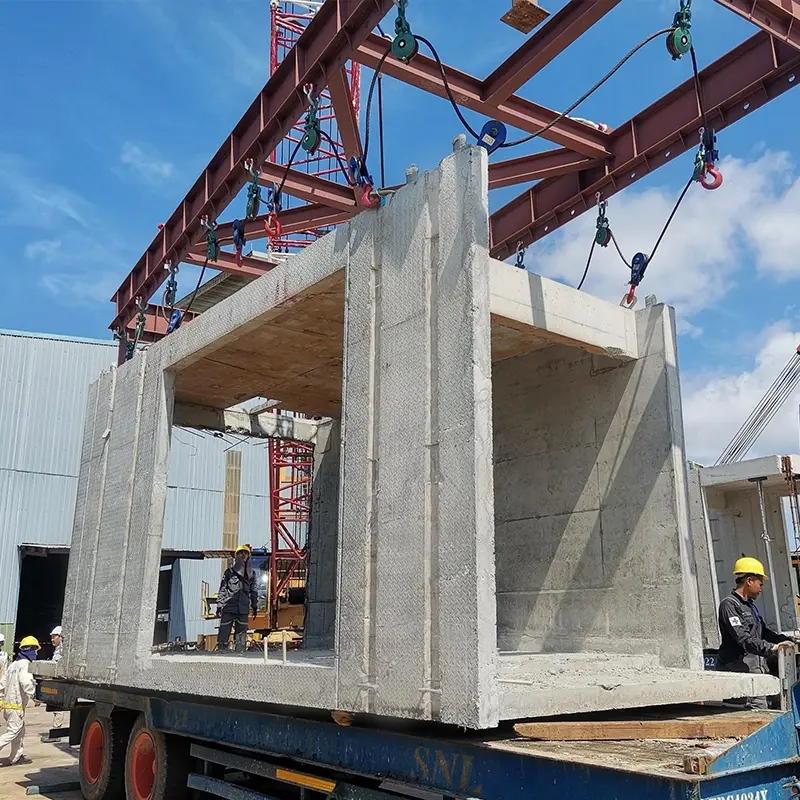
GETO has participated in infrastructure developments requiring specialized formwork systems for complex bridge structures and concrete components.
Examples highlighted within GETO's infrastructure portfolio include projects such as the Saribas Bridge and KUTS infrastructure developments, where customized steel formwork solutions supported demanding construction requirements and project schedules.
These projects demonstrate the importance of selecting formwork systems that align with:
- Structural design
- Construction methodology
- Site conditions
- Repetition requirements
- Project timelines
Rather than relying on standard solutions, major infrastructure projects often require engineered formwork systems tailored to specific bridge geometries.
For reference, additional infrastructure project information can be found on GETO's Infrastructure Solutions page:
https://www.getoformwork.com/service/infrastructure.html
Key Engineering Factors Before Selecting Bridge Formwork
Before finalizing a bridge formwork system, project teams should review:
Bridge Type
Different bridge structures require different formwork approaches.
Examples include:
- Beam bridges
- Box girder bridges
- Segmental bridges
- Cable-stayed bridges
- Arch bridges
Construction Method
The construction methodology directly affects formwork requirements.
Methods may include:
- Cast-in-place construction
- Precast construction
- Incremental launching
- Balanced cantilever construction
Repetition Requirements
Projects with numerous identical components often benefit from reusable steel formwork systems.
Site Constraints
Contractors should evaluate:
- Site access
- Crane availability
- Transportation limitations
- Environmental restrictions
Safety Requirements
Formwork systems should support safe installation, operation, and dismantling throughout the project lifecycle.
Why Steel Formwork Is Commonly Used in Bridge Construction
Bridge projects frequently rely on steel formwork because of its durability and precision.
Benefits include:
- High structural strength
- Excellent dimensional accuracy
- Long service life
- High reuse rates
- Consistent concrete finishes
- Suitability for large-scale infrastructure projects
The Bridge Steel Formwork System is specifically designed to address the demanding requirements of bridge construction and can be customized according to project specifications.
Frequently Asked Questions
What is the best formwork for bridge piers?
The best solution depends on pier geometry, height, construction sequence, and project requirements. Customized steel formwork is commonly used because of its strength, accuracy, and reusability.
What is box girder formwork?
Box girder formwork is a specialized system used to form hollow box-shaped bridge girders. The design must accommodate internal cavities, reinforcement, and prestressing requirements.
Why is steel formwork preferred for bridge construction?
Steel formwork provides high strength, dimensional accuracy, durability, and long service life, making it suitable for repetitive infrastructure projects.
What formwork is used in balanced cantilever bridges?
Balanced cantilever bridges typically utilize form travelers and customized steel formwork systems designed for segment-by-segment construction.
How should contractors select a bridge formwork system?
Selection should be based on bridge type, construction method, geometry, repetition requirements, site conditions, safety requirements, and engineering analysis.
Conclusion
Bridge construction involves a wide range of structural elements, each requiring specific formwork solutions. A system that performs well for bridge piers may not be suitable for box girders or balanced cantilever segments.
Successful bridge projects begin with proper formwork planning. By evaluating bridge geometry, construction methods, project schedules, and site conditions, contractors can select solutions that improve efficiency, maintain quality, and support safe construction practices.
For projects involving bridge piers, bent caps, box girders, and complex infrastructure structures, customized Bridge Steel Formwork Systems provide the flexibility, durability, and precision required for modern bridge construction.