
On a concrete construction site, time is money, but safety is always the bottom line. For project managers and contractors, the most perplexing moment is often: "Is it too early to strip the formwork?" Stripping it too early may cause the concrete to crack or even lead to structural collapse; stripping it too late will delay the project and increase equipment rental costs.
With the widespread adoption of aluminum shuttering technology, traditional stripping schedules are being rewritten. GETO's aluminum alloy formwork system can even shorten the construction cycle of a standard floor to 3-5 days. However, this does not mean that the curing process of concrete can be ignored.
This blog post will delve into the core question of "How long do you leave shuttering on concrete," analyzing the key factors affecting stripping and revealing how the GETO system achieves ultimate construction efficiency while ensuring quality.
What is the role of shuttering in concrete construction?

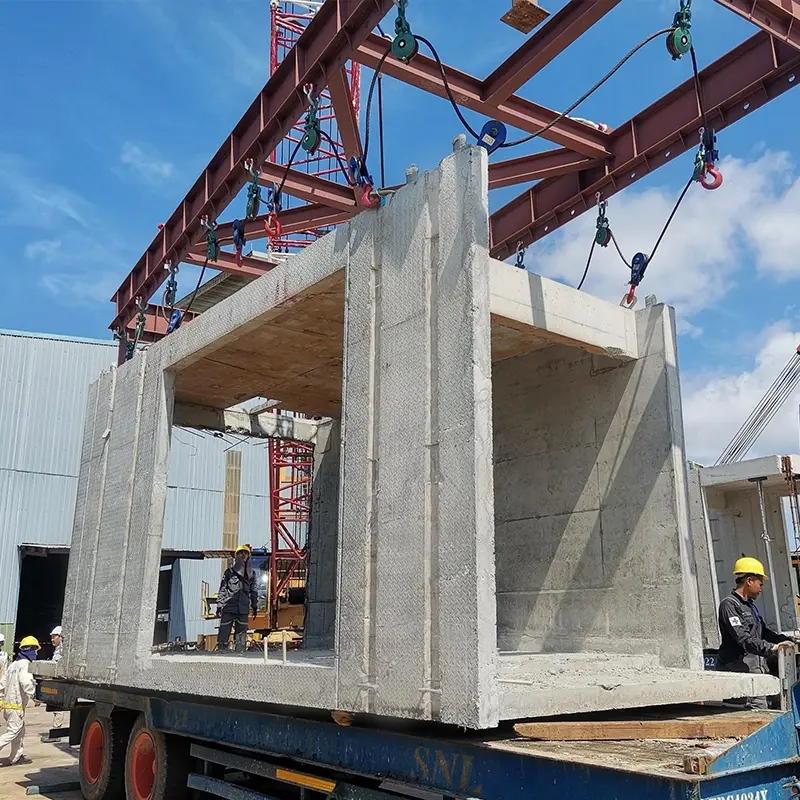
shuttering in concrete construction
What are formwork and shuttering?
In architectural engineering English, these two terms are often used interchangeably, but from a professional perspective, they have subtle differences.
• Formwork: Refers to the entire support system, including the panels in contact with the concrete, the supports (Props) behind them, the reinforcements, and the operating platform.
• Shuttering: Specifically refers to the panel portion (whether made of wood, steel, or aluminum) that is in direct contact with wet concrete.
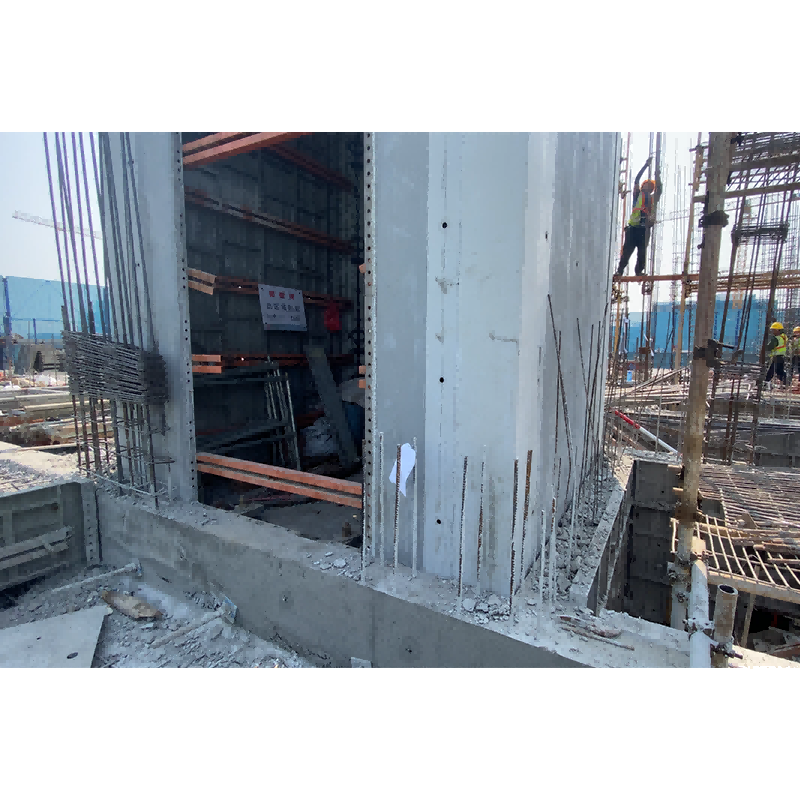
Formwork and shuttering are the "molds" for shaping concrete. They not only determine the geometry and surface quality of the building but also bear the enormous lateral pressure and vertical loads of the wet concrete. Before the concrete reaches its self-sustaining strength, formwork and shuttering are the structure's only support.
How long do you leave shuttering on concrete?
This is the most pressing question for all site engineers. According to BS (British Standards), ACI (American Concrete Institute), and general engineering practices, the formwork removal time is not a "one-size-fits-all" approach but depends on the specific structural components.
Recommended Formwork Removal Time for Different Structural Components
The following is a reference time schedule based on standard Portland cement (OPC) and normal temperature conditions:
1. Vertical Members (Walls and Columns):
• Time: 16 - 24 hours
• Conditions: Formwork removal should be done only if the concrete surface has hardened and the surface or edges will not be damaged during removal. For projects using aluminum shuttering, side formwork can usually be removed 12-24 hours after pouring when the temperature is suitable.
2. Beam Side Formwork:
• Time: 24 - 48 hours
• Note: Only remove the sides; the bottom supports must not be moved.
3. Slab Slab Bottom Formwork:
• Time: 3 days (with supports retained); 7 - 14 days (complete removal)
• Note: For slab spans less than 4.5m, bottom formwork can usually be removed in 7 days; for larger spans, 14 days are required.
4. Beam Soffit:
• Time: 14 - 21 days
• Warning: Beams are primary load-bearing components and must reach 75%-100% of their design strength before complete removal of supports.
Key Principle: Remember, time is only a reference; the actual strength (MPa) of the concrete is the decisive factor.
Key Factors Affecting Shuttering Removal Time
Why can some projects remove the soffit in 3 days, while others take 7 days? This depends on the following variables:
Concrete Strength Grade
High-grade concrete (e.g., C40, C50) generally hardens faster than low-grade concrete (C25), reaching demolding strength earlier.
Ambient Temperature and Humidity
Temperature is a catalyst. In hot summers, chemical reactions are faster, resulting in shorter demolding times; in cold winters, curing time may double. Formwork shuttering acts as insulation at low temperatures; premature removal may lead to frost damage.
Cement Type and Admixtures
Using rapid-hardening cement can significantly shorten waiting time.
Structural Loads
If a large amount of rebar is to be placed on top of the floor slab immediately or heavy machinery operations are to be carried out, the support system must be maintained for a longer period.
Formwork Material Types
Aluminium shuttering has better thermal conductivity than traditional wooden formwork, and when combined with an early stripping system, it can significantly optimize the process.
What is the impact of Aluminium Shuttering on formwork removal time?
What is Aluminium Shuttering?
Aluminium formwork is a new generation of construction formwork technology following wooden and steel formwork. It is extruded from high-strength aluminum alloy profiles (such as 6061-T6).
Advantages of Aluminium Shuttering Material
• Lightweight: Average weight is only 25kg/m², which can be handled manually by workers without relying on tower cranes.
• High Precision: The extruded aluminum material boasts extremely high precision, resulting in a wall surface flatness within 3-5mm after demolding, enabling "zero-plastering."
• Fast Heat Dissipation: Aluminum's thermal conductivity is superior to wood, facilitating the dissipation of hydration heat within the concrete and accelerating the formation of initial strength.
Can aluminum formwork be removed earlier?
The answer is yes, primarily due to its unique Quick Stripping System.
Traditional wooden formwork systems often require removing the supports along with the formwork during demolding and then reinserting them, which is extremely dangerous. Modern aluminum shuttering is designed with independent prop heads. During demolding, we can remove 90% of the aluminum panels while leaving 100% of the upright supports intact.
This means that although the panels (Shuttering) are removed after 24-36 hours, the structure is still safely supported by the props. This is the core secret behind the GETO system's ability to achieve a high turnover rate of one floor every 3-5 days.
What are the Risks of Premature Formwork Removal?
Ignoring the scientific principle of "How long do you leave shuttering on concrete?" and forcibly rushing the construction schedule will have unimaginable consequences:
• Structural cracking: Insufficient tensile strength of concrete leads to micro-cracks due to its own weight.
• Settlement and deflection: Permanent deformation of beams and slabs results in uneven floors.
• Corner damage: Hasty removal of side formwork can bring down sharp concrete edges, affecting aesthetics and subsequent finishing.
• Safety accidents: In the worst-case scenario, premature removal of the support system can lead to floor collapse.
How does the GETO Shuttering system improve construction efficiency?
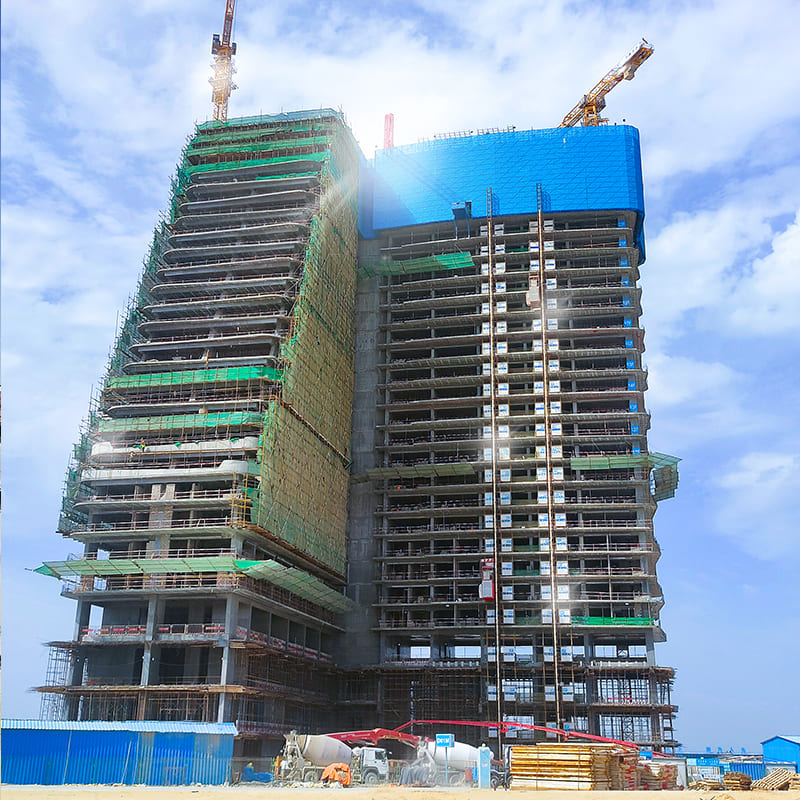
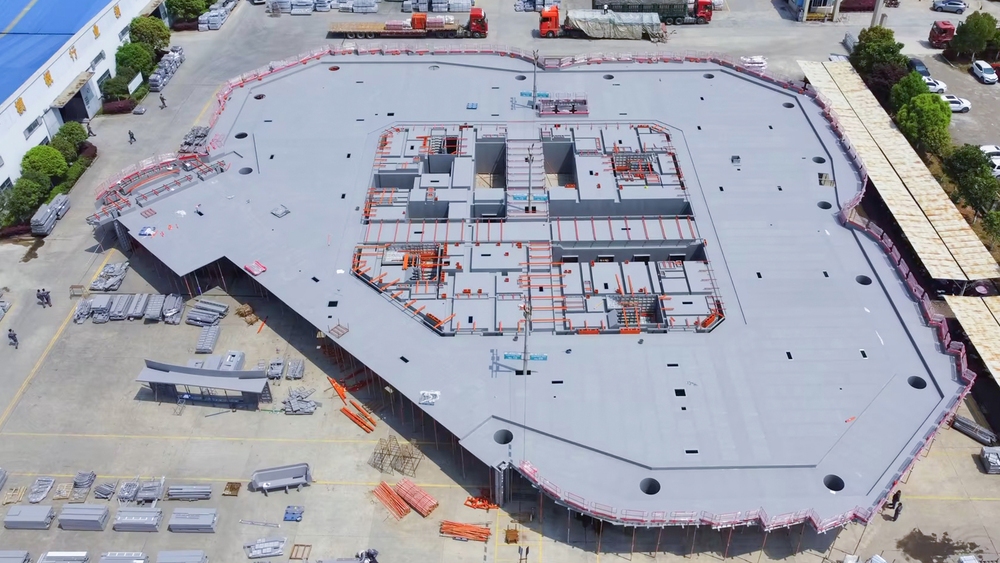
GETO Shuttering system for High-Rise Residential Building
As a leading global formwork solution provider, GETO shuttering is more than just selling aluminum panels; it offers a highly efficient construction logic.
Combination of Standardization and Customization
The GETO system uses 6061-T6 aerospace-grade aluminum alloy and features a highly standardized design. Standard panel sizes (e.g., 600mm x 1200mm) combined with custom components perfectly adapt to complex building structures. 7.2 Technical Advantages: Fast, Economical, and High-Quality
• Flat Tie System: No drilling required, better verticality control, fewer accessories, and extremely fast installation by workers.
• Tie Rod System: Suitable for thick walls (>400mm) or renovation projects, producing an extremely smooth surface.
• Extremely High Turnover Rate: One set of GETO aluminum shuttering can be reused 200-300 times. In contrast, wooden formwork can only be used 5-10 times.
Comprehensive Comparison: Why Choose GETO?
To visually demonstrate the advantages, please see the table below:
Comparison: GETO Aluminium Shuttering vs. Traditional Systems
|
Feature |
Timber Formwork |
Steel Formwork |
GETO Aluminium Shuttering |
|
Weight |
Light |
Heavy (Need Crane) |
Light (Handled by labor) |
|
Reusability |
Low (5-10 times) |
High (>100 times) |
Very High (200-300 times) |
|
Surface Finish |
Poor (Requires plaster) |
Good |
Excellent (Zero-plastering) |
|
Assembly Speed |
Slow (Skilled carpenter) |
Medium |
Fast (Simple pin-wedge) |
|
Construction Cycle |
7-14 days/floor |
5-7 days/floor |
3-5 days/floor |
|
Labor Cost |
High |
Medium |
Save ~35% |
|
Scrap Value |
None |
Low |
High (Recyclable Aluminum) |
By using GETO shuttering, you can not only save 35% on labor costs, but also further reduce overall costs through high residual value recycling (aluminum recycling).
When is it safe to remove the Aluminium Shuttering?
When using the GETO system, a typical formwork removal schedule is as follows (subject to change depending on specific climate and concrete mix proportions):
• Wall panels and column panels: Can be removed 12-24 hours after pouring.
• Beam side panels: 12-24 hours.
• Floor slabs and beam bottom slabs: Aluminum panels can be removed after 36-48 hours, but early removal prop heads and uprights must be retained.
• Support uprights: Must be retained for 10-20 days until the concrete reaches 100% of its design strength.
This "fast removal, slow maintenance" model allows aluminum formwork to be quickly transferred to the next floor for construction, while the floor slab remains under safe protection.
Future Trends: Industrialized Formwork and Shuttering Systems
The construction industry is undergoing an industrial revolution. Future formwork and shuttering trends include:
BIM Integration: GETO has begun using BIM technology for formwork design, resolving collision issues in advance and achieving zero on-site cutting.
Green Construction: Replacing wood with aluminum reduces deforestation and eliminates construction waste on site.
Automated Support: Integrating a self-climbing system further frees up manpower.
Conclusion
It is returning to the initial question: how long should concrete formwork be retained? The answer isn't just a rigid "a few days," but rather finding a balance between scientifically monitored strength and advanced formwork technology.
Traditional construction may involve long waiting times, but by choosing GETO Formwork, you can opt for a globally proven and highly efficient construction approach. Through the early stripping system of forged formwork, you can compress the construction cycle for each floor to a maximum of 3-5 days while ensuring absolute structural safety.
Want to shorten the construction period of your next high-rise project and reduce labor costs by 35%? The GETO aluminum alloy formwork system is your best choice. Whether for residential or commercial buildings, we offer services from design to on-site guidance.