
Introduction
High-rise construction projects face increasing challenges in maintaining worker safety, controlling falling object risks, and improving construction efficiency. As buildings become taller and construction schedules become more complex, traditional safety protection methods may not always provide the level of protection required for modern high-rise projects.
A reliable perimeter safety system is essential for protecting workers operating at elevated levels. It helps reduce fall risks, prevents construction materials from falling outside the building, and creates a safer working environment throughout the construction process.
Among the available solutions, Self-Climbing Protection Screen and traditional Edge Protection Systems are two commonly considered options.
Both systems are designed to improve construction safety, but they differ significantly in terms of protection coverage, climbing methods, wind resistance considerations, installation efficiency, and suitability for high-rise projects.
For contractors, developers, and project managers, selecting the right system requires careful evaluation of building height, construction cycle, safety requirements, and project conditions.
This guide compares self-climbing protection screens and edge protection systems to help construction teams choose the most suitable perimeter safety solution for high-rise projects.
Understanding Perimeter Safety Systems in High-Rise Construction
A perimeter safety system is designed to protect exposed edges during building construction.
During high-rise construction, open floor edges create risks such as:
- Worker falls
- Falling tools and materials
- Exposure to strong winds
- Difficult site management
A properly designed safety system creates a controlled working environment while construction progresses vertically.
Common perimeter protection solutions include:
- Temporary guardrails
- Safety nets
- Edge protection barriers
- Self-climbing protection screens
The selection depends on project height, construction method, safety standards, and working conditions.
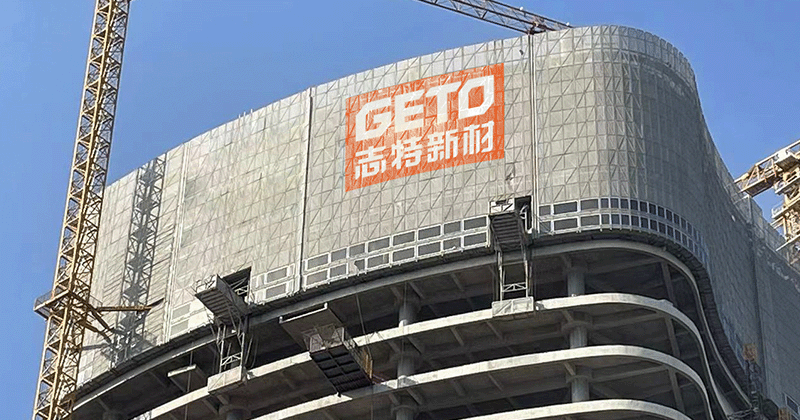
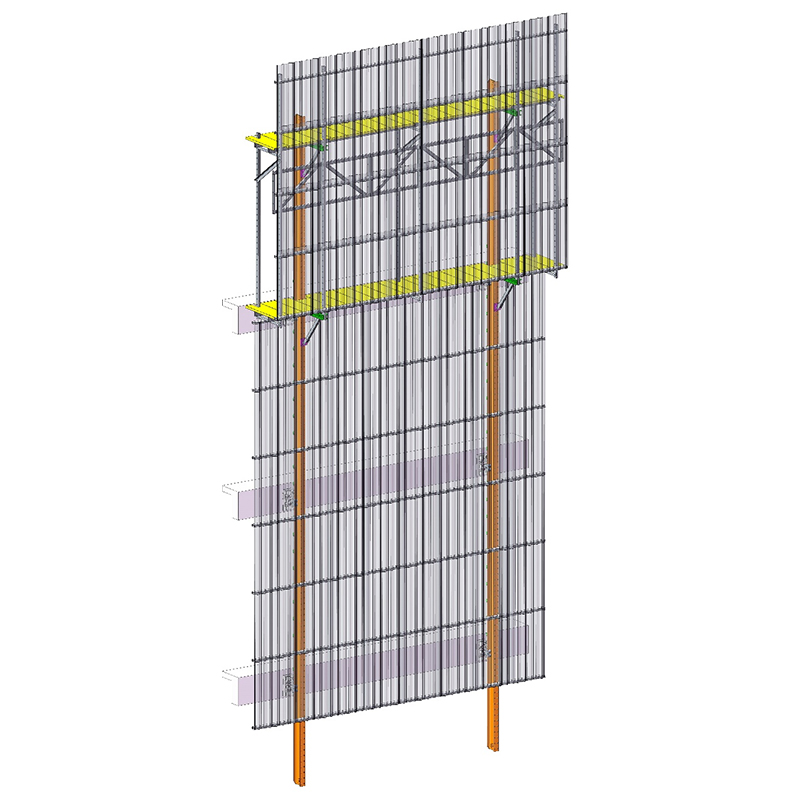
What Is a Self-Climbing Protection Screen?
The Self-Climbing Protection Screen is an advanced perimeter safety system designed specifically for high-rise construction.
Unlike traditional edge protection systems that only protect individual floor edges, a self-climbing protection screen creates a larger enclosed safety zone around multiple working levels.
The system is attached to the building structure and moves upward as construction progresses, allowing continuous protection without frequent manual dismantling and reinstallation.
Main Features of Self-Climbing Protection Screen
A typical protection screen system provides:
- Multi-floor perimeter protection
- Enclosed working areas
- Falling object prevention
- Reduced exposure to external conditions
- Improved site safety management
- Efficient climbing during construction progress
Because the system moves together with the building structure, it is particularly suitable for high-rise residential towers, commercial buildings, and large-scale construction projects.
What Is Traditional Edge Protection?
Edge protection is one of the most common safety solutions used on construction sites.
It usually consists of:
- Guardrails
- Posts
- Toe boards
- Safety mesh
- Temporary barriers
These systems are installed along exposed slab edges to reduce the risk of workers falling from height.
Advantages of Edge Protection
Traditional edge protection systems offer:
- Simple installation
- Lower initial cost
- Flexible application
- Easy relocation
They are widely used in:
- Low-rise buildings
- Renovation projects
- Small commercial projects
- Short-term construction activities
However, as building height increases, traditional edge protection may have limitations in terms of coverage, wind exposure, and repeated relocation requirements.
Self-Climbing Protection Screen vs Edge Protection: Key Differences
1. Protection Coverage
The biggest difference between these two systems is the level of protection provided.
Self-Climbing Protection Screen
The Self-Climbing Protection Screen creates an enclosed protection zone around the outside of the building.
Advantages include:
- Protection across multiple floors
- Reduced falling object risks
- Improved separation between workers and external environments
- Continuous protection during vertical construction
This makes it suitable for projects where safety requirements extend beyond simple edge protection.
Edge Protection
Traditional edge protection mainly protects workers working near open slab edges.
It provides effective fall prevention but usually does not create a fully enclosed working environment.
Comparison
|
Feature |
Self-Climbing Protection Screen |
Edge Protection |
|
Multi-floor coverage |
Yes |
Limited |
|
Falling object protection |
High |
Moderate |
|
Enclosed working area |
Yes |
No |
|
Suitable for high-rise projects |
Excellent |
Project dependent |
2. Climbing and Relocation Efficiency
High-rise construction requires safety systems that can adapt as the building grows.
Self-Climbing Protection Screen
One of the main advantages of a self-climbing protection screen is that it can move upward together with the construction progress.
This reduces the need for:
- Frequent dismantling
- Manual relocation
- Repeated installation work
For projects involving dozens of floors, this can significantly improve construction efficiency.
Edge Protection
Traditional edge protection normally requires manual adjustment as construction moves upward.
Workers may need to:
- Remove barriers
- Transport components
- Reinstall protection systems
This process becomes more time-consuming as building height increases.
3. Wind Load Considerations
Wind conditions become increasingly important in high-rise construction.
As building height increases, construction workers and temporary structures are exposed to stronger wind forces.
Self-Climbing Protection Screen
A protection screen system must be designed considering:
- Building height
- Screen area
- Attachment points
- Local wind conditions
- Structural capacity
The enclosed design helps reduce direct wind exposure for workers inside the protected area.
However, actual wind resistance performance depends on engineering design and project-specific conditions.
Edge Protection
Traditional edge protection systems generally provide less shielding against wind because they mainly consist of open barriers.
For very tall buildings, additional safety considerations may be required.
4. Safety Management and Site Control
Large high-rise projects require effective safety management systems.
Self-Climbing Protection Screen Benefits
A perimeter safety screen can help:
- Create a more controlled construction environment
- Reduce external exposure
- Improve housekeeping management
- Limit falling object risks
The enclosed perimeter also helps separate active construction areas from surrounding environments.
Edge Protection Benefits
Edge protection remains a practical solution for projects where:
- Construction height is limited
- Working areas are smaller
- Safety requirements are straightforward
5. Labor Requirements and Construction Efficiency
Labor efficiency is becoming increasingly important as construction projects face pressure from rising labor costs.
Self-Climbing Protection Screen
Because the system is designed for climbing with construction progress, it can reduce repetitive manual work.
Potential benefits include:
- Less relocation labor
- Faster construction cycles
- Improved productivity
Edge Protection
Traditional systems usually require more manual handling when moving between floors.
For smaller projects, this may not create significant challenges. For large high-rise developments, labor requirements can become more noticeable.
Choosing the Right Safety System for Different Projects
High-Rise Residential Buildings
For residential towers with repeated floor layouts, self-climbing protection screens can provide efficient continuous perimeter protection.
Advantages:
- Long construction periods
- Multiple working levels
- High safety requirements
- Repeated climbing cycles
Commercial Skyscrapers
Commercial high-rise projects often require strict safety management.
A perimeter safety system can help improve:
- Worker protection
- Site organization
- Construction efficiency
Low-Rise Buildings
For smaller projects, traditional edge protection may provide sufficient protection at a lower cost.
Engineering Factors Before Selecting a Protection System
Before choosing between a self-climbing protection screen and edge protection, project teams should evaluate:
Building Height
Higher buildings generally require more comprehensive perimeter protection.
Construction Cycle
Projects with fast floor cycles may benefit from systems that can move efficiently with construction progress.
Wind Conditions
Engineers should consider local wind loads and the structural design of the protection system.
Coverage Requirements
Determine whether the project requires:
- Single-floor protection
- Multi-floor protection
- Fully enclosed working areas
Safety Standards
The selected system should comply with applicable local construction safety requirements and project specifications.
Installation and Maintenance
Consider:
- Installation procedures
- Inspection requirements
- Adjustment processes
- Long-term usability
Why Choose a Self-Climbing Protection Screen for High-Rise Projects?
The Self-Climbing Protection Screen provides several advantages for large-scale vertical construction.
Compared with traditional edge protection, it offers:
- Wider protection coverage
- Better falling object control
- Reduced manual relocation
- Improved construction efficiency
- Enhanced high-rise safety management
For contractors managing complex high-rise projects, it provides a more integrated approach to perimeter protection.
Frequently Asked Questions
What is a self-climbing protection screen?
A self-climbing protection screen is a high-rise perimeter safety system that moves upward with building construction progress to provide continuous protection around working areas.
What is the difference between a protection screen and edge protection?
Edge protection mainly protects individual exposed edges, while a protection screen creates a larger enclosed safety zone around multiple working floors.
Are self-climbing protection screens suitable for high-rise buildings?
Yes. They are specifically designed for high-rise construction where continuous perimeter protection and efficient climbing are required.
How does wind affect protection screen selection?
Wind load is an important design factor. The system should be evaluated based on building height, screen design, attachment method, and local environmental conditions.
Does a protection screen replace all other safety measures?
No. A protection screen is part of a comprehensive construction safety system and should be combined with proper site management, worker training, and safety procedures.
Conclusion
Both self-climbing protection screens and traditional edge protection systems play important roles in construction safety. The right choice depends on project requirements, building height, construction methods, and safety objectives.
For small and straightforward projects, edge protection may provide an economical solution. However, for high-rise construction where continuous protection, climbing efficiency, and improved site safety are priorities, a self-climbing protection screen offers significant advantages.
The Self-Climbing Protection Screen provides a modern perimeter safety solution designed to support safer and more efficient high-rise construction.
By considering wind conditions, protection coverage, climbing requirements, and engineering standards, contractors can select a safety system that improves productivity while maintaining a safer working environment.