
Introduction: A New Era of Construction Efficiency
Modern building projects demand faster timelines, better quality, and safer working conditions. These requirements have pushed the industry to move beyond traditional methods and embrace more advanced solutions. Among these innovations, the aluminium formwork system has emerged as a transformative technology.
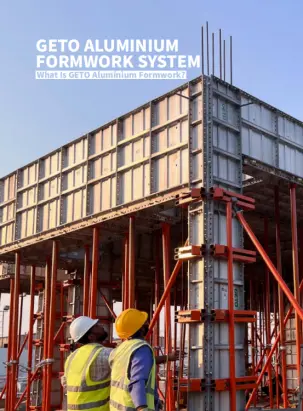
Aluminium formwork represents the next generation of concrete forming technology, following timber and steel systems. Using aluminium alloy profiles as the primary material, these systems are manufactured through precision machining and welding processes to create formwork panels suited for concrete engineering projects of all scales. The design flexibility allows for free assembly according to different structural requirements, making it a truly adaptable solution for modern construction.
For high-rise residential towers and commercial buildings, the aluminium formwork system has proven to be a game-changer. The numbers speak clearly: projects using this system consistently achieve floor cycles of just three to five days, produce concrete surfaces smooth enough to eliminate plastering, and significantly reduce both labor requirements and material waste on site.
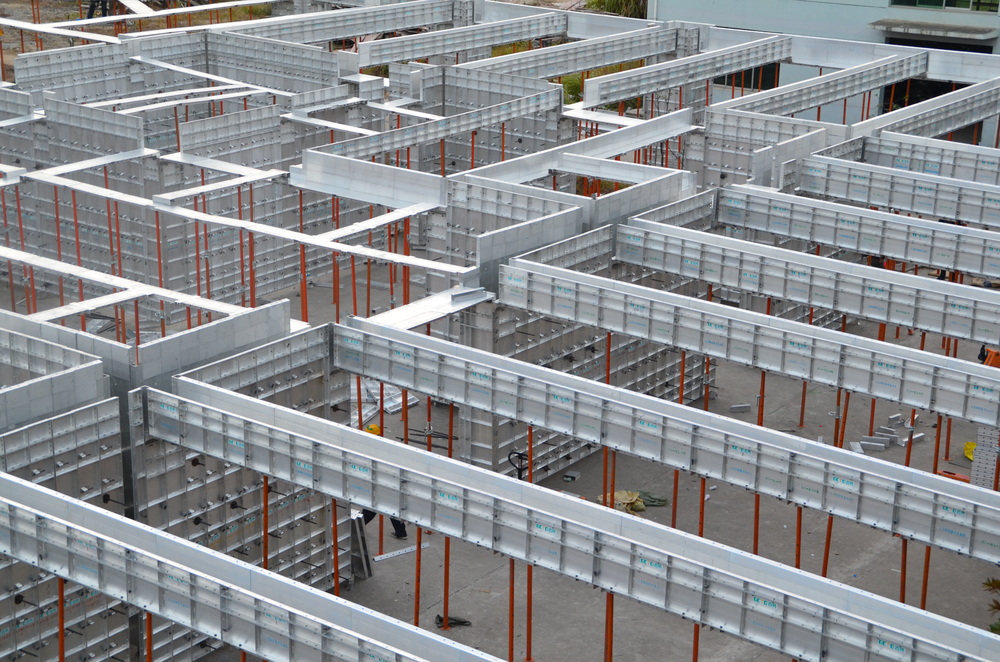
Technical Deep Dive: Classification and Core Components
Understanding the technical details of an aluminium formwork system helps project teams make informed decisions about which configuration best suits their specific needs.
The Two Main Reinforcement Systems
Flat-Tie System. This configuration uses flat ties that pass through the formwork without requiring drilling into the panels. The system features fewer installation accessories and reduces the workload for assembly crews. The vertical casting effect is smooth and clean, making the flat-tie system particularly suitable for overseas work sites where simplicity and speed are valued.
Tie-Rod System. The tie-rod reinforcement system delivers an extremely smooth forming effect. This system works well for refurbishment projects with varied structural layouts and for applications where wall thickness exceeds 400mm. The rods provide robust reinforcement for thicker structural elements where higher loads are anticipated.
Core Components
Panels. The system includes several panel types: wall and column panels support vertical structures; beam soffit and side panels shape beam forms; slab panels create horizontal surfaces; and staircase panels handle stepped configurations. Standard wall panels are available in heights of 2,400mm and widths from 50mm up to 600mm, with common sizes including 100mm, 200mm, 300mm, 400mm, and 600mm increments. Each panel carries a weight of approximately 25kg per square meter, making manual handling feasible on site.
Connectors. Pins and wedges join panels together. The pin and wedge system provides secure connections that can be quickly installed and removed, speeding up both assembly and stripping operations.
Support Systems. Adjustable steel props support slab panels during concrete pouring and remain in place until the concrete gains sufficient strength for stripping. Wall braces and kickers maintain panel alignment and stability during concrete placement.
Manufacturing Technology
GETO uses 6061-T6 aluminium alloy for its formwork panels. This material offers a good balance of strength and weight, with an average panel weight of about 25kg per square meter. The company applies friction stir welding technology, a process developed by The Welding Institute in Cambridge, UK. FSW eliminates common issues such as hot cracking, porosity, and element loss associated with fusion welding. The resulting panels show reduced thermal distortion and maintain consistent mechanical properties across the weld zone.
Why Aluminium Formwork? Five Core Values
The growing adoption of aluminium formwork systems across the construction industry stems from measurable advantages that directly affect project outcomes.
Construction Speed
A typical floor cycle using a GETO aluminium formwork system runs from three to five days. This speed comes from the system's light weight (about 25kg per square meter), which allows for manual handling without heavy cranes, and the simple pin-and-wedge connections that speed up assembly and stripping. For a high-rise tower over 30 floors, this can translate to substantial time savings compared to timber or steel systems.
High-Quality Concrete Finish
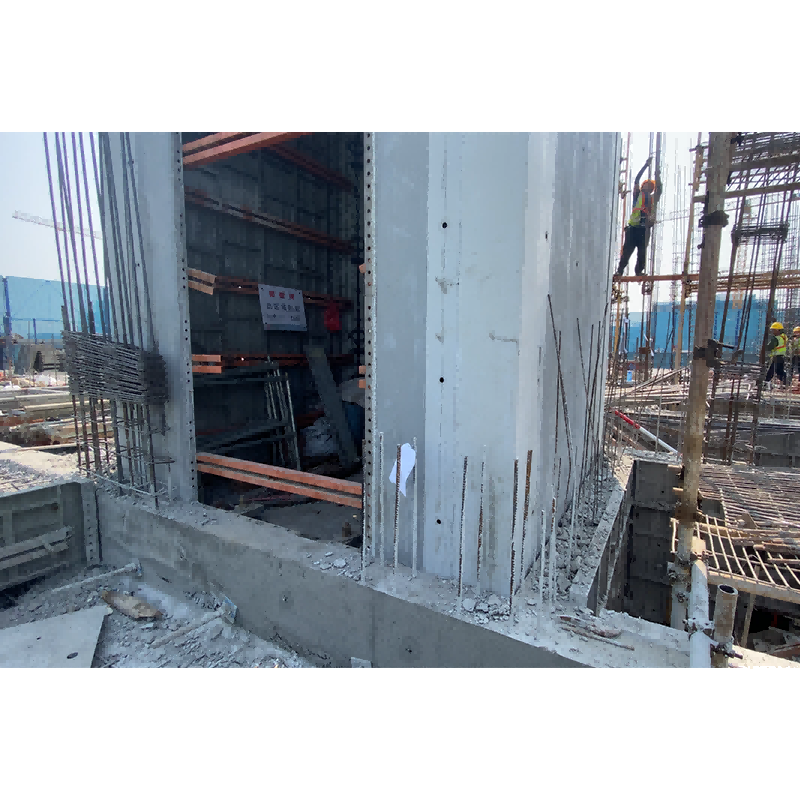
Aluminium formwork produces concrete surfaces with exceptional flatness and verticality. The precision of the extruded aluminium panels creates consistent geometry across hundreds of uses. The resulting surface quality often eliminates the need for plastering, reducing both material costs and labor time. This "plaster-free" finish also reduces the dead load on the building structure by eliminating the added weight of plaster layers.
Economic Benefits
The economics of aluminium formwork work in favor of high-rise projects. A typical system can be reused 200 to 300 times, with some GETO systems exceeding 300 uses. On projects with a sufficient number of repetitive floors, the cost per use drops below that of timber formwork. The scrap value of aluminium provides a return at the end of the system's service life, as aluminium is highly recyclable and retains much of its value. On-site labor requirements are reduced substantially, as fewer workers are needed for assembly and the plastering stage is eliminated.
Safety
The standardized, lightweight components reduce the need for heavy lifting equipment, lowering the risk of lifting-related injuries. The system's rigidity provides stable working platforms, and the assembly process follows predictable sequences that allow for better safety planning.
Environmental Performance
Aluminium formwork generates minimal construction waste compared to timber systems, which produce large amounts of wood scrap after only a few uses. The high reuse rate reduces the demand for raw materials over the life of a project. The system itself is highly recyclable at the end of its service life, aligning with green building standards and increasingly strict environmental regulations.
Industry Comparison: Aluminium vs. Timber vs. Steel Formwork
The choice of formwork material significantly affects project cost, schedule, and quality. Here is how the three systems compare based on GETO's construction experience.
|
Characteristic |
Steel Formwork |
Timber Formwork |
Aluminium Formwork |
|
Average Weight |
35-85 kg/m² |
10.5 kg/m² |
25-27 kg/m² |
|
Load Capacity |
30-60 kN/m² |
30 kN/m² |
60 kN/m² |
|
Typical Uses |
30-40 times |
3-5 times |
150-300 times |
|
Floor Cycle Time |
8-10 days |
10-12 days |
3-5 days |
|
Concrete Finish |
Rough, clean |
Rough, needs plastering |
Smooth, plaster-free |
|
Environmental Impact |
Recyclable |
High waste generation |
Highly recyclable, minimal waste |
The data shows that while timber has the lowest weight, its limited reuse and poor finish quality make it cost-effective only for very short runs. Steel offers strength but at the cost of weight and slower cycles. Aluminium provides the best balance: light enough to handle, strong enough for 60kN/m² loads, and capable of 200-plus reuses.
Diverse Applications
While aluminium formwork proves particularly valuable for high-rise residential construction, its applications extend across many project types.
High-Rise Residential and Apartment Buildings. This is the most economically compelling application. Projects with repetitive floor layouts show the strongest economic returns, as the system's cycle times and reuse rates are most fully utilized. For projects with varied floor plans, GETO offers customized solutions that allow a single formwork set to handle different configurations through targeted modifications.
Villas and Terrace Houses. Projects in Malaysia, Singapore, and other Southeast Asian markets often use aluminium formwork for residential developments with mirror-like structures and party walls. For terrace house projects, GETO provides formwork turnover solutions that address mirror-image structures and party walls, allowing a single formwork set to serve multiple units.
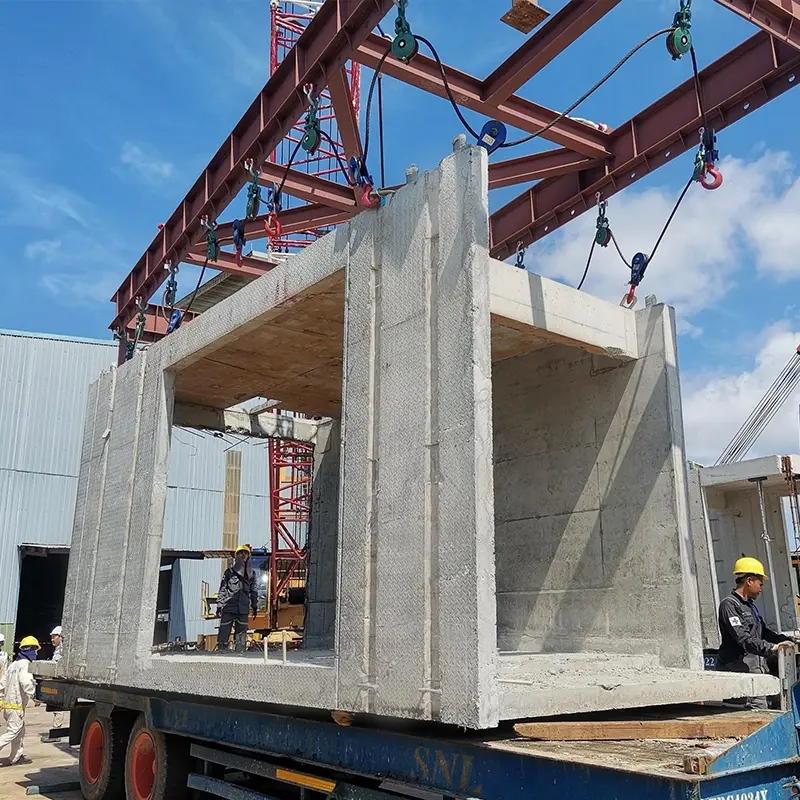
Infrastructure. Aluminium formwork can be used for utility tunnels, subway stations, and basement projects. For subway stations and basement exterior walls, GETO's single-side wall framework provides support where high waterproofing standards prevent the use of through-ties.
Integration with Other Systems. Aluminium formwork works effectively alongside precast concrete components, PPVC/MIC modules, and timber formwork. For projects with unique structural challenges, GETO offers "aluminium plus timber" or "aluminium plus precast" hybrid solutions to reduce material and labor costs.
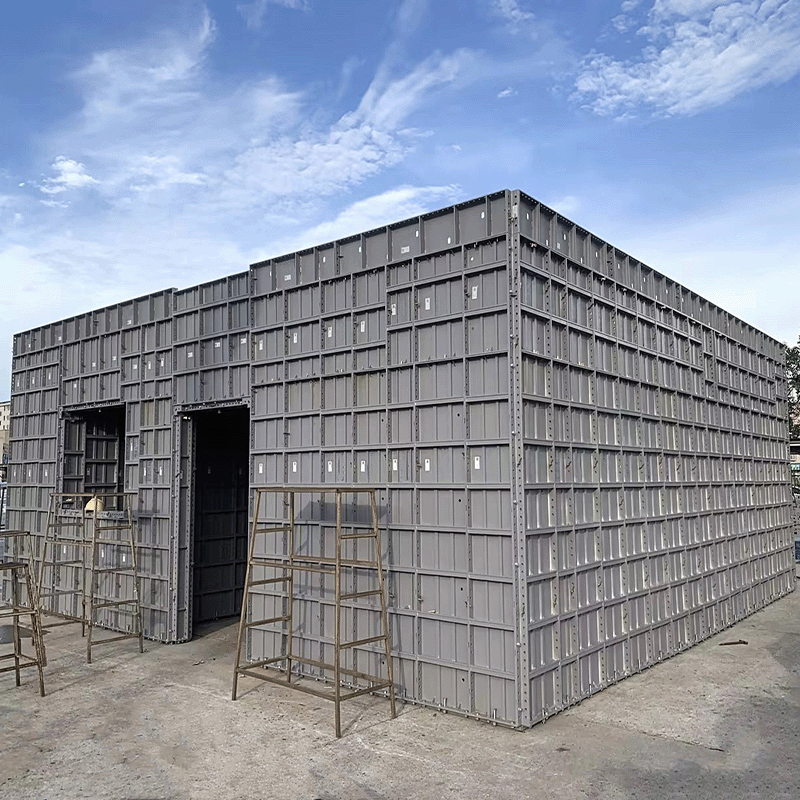
Industry 4.0: Digital Transformation of Aluminium Formwork
Digital tools are changing how aluminium formwork systems are designed, managed, and inspected.
Industrial 3D Design Software. GETO's self-developed design software allows for zero-defect design work, eliminating the need for factory preassembly and enabling packing by construction zones. This reduces on-site installation time and minimizes the risk of assembly errors. For complex super-tall projects, GETO's technical teams use "dynamic formwork matching systems" to handle varying cross-sections and changing structural forms.
3D Model Visualization. Digital platforms allow project managers to visualize the entire formwork structure in three dimensions. QR codes placed on components can be scanned to locate materials on site quickly, helping workers place each panel correctly without confusion.
VR Inspection Software. GETO-VR enables remote virtual acceptance inspections of formwork before it leaves the factory. This saves clients the cost and time of on-site factory visits while maintaining quality control standards. Data from these digital tools feeds into GETO's information management system, which integrates supply chain, production, engineering, and financial data for end-to-end project visibility.
Installation Process and Whole-Chain Services
Installation Steps
The installation sequence for a typical floor follows a structured process:
- Leveling and structural lines are set based on approved drawings
- Wall panels go up, starting with internal corners and progressing through flat-tie installation and external panels
- Beam panels are assembled according to the structural design
- Slab corner panels are fixed, followed by slab panels, beam supports, and prop heads
- Kickers are installed on external wall panels to support the next floor
- MEP components and rebar are placed
- Concrete is poured evenly across the section
After curing, panels are stripped, cleaned, and transferred to the next position
Whole-Chain Services
GETO provides services that extend beyond product supply. The process begins with consultation and customized design based on project drawings. Once panels are manufactured and delivered, on-site technical assistance helps crews achieve proper installation. After the project, used panels can be refurbished, cleaned, and re-galvanized for future use.
Frequently Asked Questions
How many times can aluminium formwork be reused? A high-quality system can be reused 200 to 300 times, with proper maintenance extending that range.
Does aluminium formwork deform easily? When used according to specifications and with proper reinforcement, aluminium formwork maintains its shape and dimensional accuracy. The 6061-T6 alloy provides consistent performance across many uses.
How are openings for MEP work handled? Openings can be pre-planned in the design stage and built into the panels. For changes during construction, knock-out panels allow for on-site adjustments.
Is aluminium formwork suitable for high-rise construction? Yes. The system's light weight reduces crane time for panel handling, and the rapid cycle time shortens overall project duration. Projects over 300 meters have been built using these systems.
Conclusion
The demands of modern construction have made aluminium formwork a practical necessity for high-rise projects. The system delivers demonstrable benefits: a three-to-five-day floor cycle, a concrete finish that eliminates plastering, 200 to 300 uses per system, and significant labor cost reductions. For projects with repetitive floor layouts, the economics become increasingly compelling as the number of floors increases, due to the system's high reuse capacity and reduced labor requirements.