
The construction industry is experiencing a significant shift toward more efficient, sustainable, and technology-driven building methods. As project requirements become increasingly complex, developers, contractors, and architects are looking for construction solutions that can improve quality control, shorten delivery cycles, and reduce dependence on traditional on-site processes.
Modern prefab homes have become an important solution within this transformation. By combining industrial manufacturing, modular design, and advanced construction technologies, prefab homes provide a new approach to residential and commercial building development.
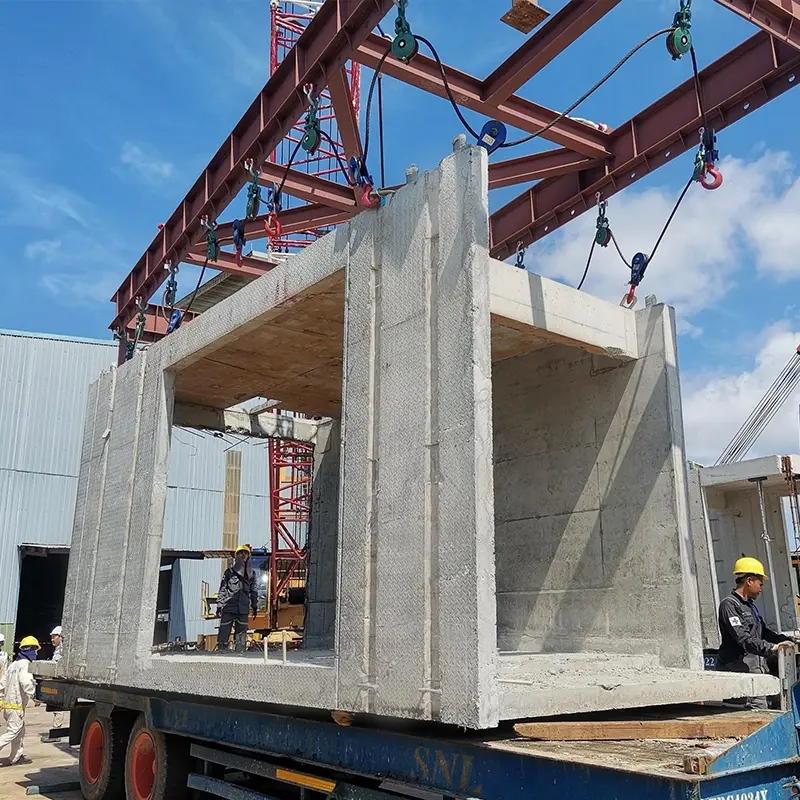
Unlike conventional construction methods where most activities are completed directly on-site, modern prefabricated homes move a large part of the building process into controlled factory environments. Structural components and building modules are manufactured in advance, inspected for quality, and transported to the project location for efficient assembly.
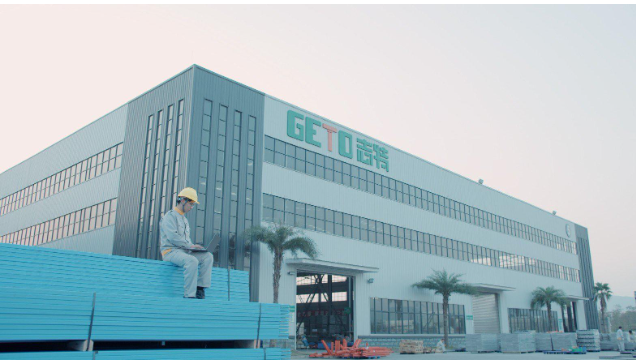
As a professional manufacturer of modern prefabricated homes, GETO provides integrated modular construction solutions that cover design optimization, precision manufacturing, logistics coordination, technical support, and installation assistance. Through modern methods of construction (MMC), GETO helps global building partners achieve efficient, reliable, and scalable construction solutions.
What Are Modern Prefab Homes?
Modern prefab homes are buildings created through an industrialized construction process where major building components are manufactured in a factory before being transported and assembled at the final construction site.
The concept of prefab housing is based on the combination of manufacturing and assembly. Instead of relying mainly on traditional manual construction methods, modern prefab homes use standardized production processes to create structural modules, wall systems, floor systems, and roof components with higher consistency.
Steel is commonly used as the primary structural framework because of its strength, durability, and flexibility. The steel structure provides a stable foundation for modular construction while allowing different architectural designs and building configurations.
GETO modular housing solutions use steel structures as the main framework and produce standardized modules, including structural components, walls, floors, and related building systems. These modules are manufactured in advance and transported to the site for rapid assembly.
This industrialized approach transforms construction from a mainly site-based activity into a coordinated process involving design, manufacturing, transportation, and installation.
How Do Modern Prefab Homes Work?
The construction process of modern prefab homes consists of two major stages: factory manufacturing and on-site assembly.
Factory Manufacturing Process
The factory stage is the foundation of modular construction. Building components are produced in a controlled environment using standardized procedures and professional quality management systems.
The typical manufacturing process includes:
- Steel material preparation
- Structural component production
- Frame assembly
- Floor system installation
- Wall system assembly
- Interior finishing
- Exterior finishing
- Module inspection and transportation preparation
Factory production allows manufacturers to control dimensions, material quality, and assembly accuracy throughout the process. This reduces variations caused by weather conditions, site limitations, and inconsistent construction environments.
GETO integrates multiple production stages, from structural manufacturing to interior and exterior assembly, creating a complete industrialized construction workflow for modular housing projects.
On-Site Assembly Process
After factory production is completed, modules are transported to the project location for installation.
The on-site process mainly includes:
- Foundation preparation
- Module lifting and positioning
- Structural connection
- Plumbing and electrical connection
- Exterior finishing installation
Modern prefab homes adopt dry construction methods, allowing most components to be assembled through standardized connections. This reduces complex on-site operations and improves construction efficiency.
Key Features of Modern Prefab Homes
Modern prefabricated homes combine structural performance, manufacturing efficiency, flexible applications, and improved project control. These characteristics make them suitable for different building environments and project requirements.
|
Feature |
Description |
|
Structural System |
Steel-based structure with strong load-bearing capability and long-term durability |
|
Manufacturing Method |
Factory production with standardized modular components and quality control |
|
Construction Approach |
Modern Methods of Construction (MMC) combining manufacturing and rapid assembly |
|
Building Performance |
Designed for wind resistance, fire protection, seismic performance, and corrosion resistance |
|
Energy Efficiency |
Developed according to regional building requirements with professional performance assessments |
|
Application Range |
Suitable for houses, townhouses, apartments, hotels, schools, and tourism-related projects |
|
Service Capability |
Integrated support including design, manufacturing, transportation, technical guidance, and installation assistance |
Strong and Durable Steel Structure
Structural reliability is a key factor when selecting modern prefab homes. The building structure must provide long-term stability while meeting different environmental and performance requirements.
GETO modular homes use steel structures designed for strength, durability, and reliable performance. The steel framework provides excellent load-bearing capability and supports resistance against environmental factors such as wind, fire, earthquakes, and corrosion.
The use of steel also improves manufacturing precision because components can be produced according to standardized engineering requirements.
Energy-Efficient Building Performance
Energy efficiency has become an essential consideration in modern housing projects. Building solutions with improved thermal performance can enhance indoor comfort and support more efficient energy use.
GETO modular housing solutions focus on energy performance, thermal comfort, and regional construction requirements. Through professional assessments and optimized design, prefab homes can achieve better efficiency and long-term living performance.
Applications of Modern Prefab Homes
Modern prefab homes are suitable for a wide range of projects due to their flexible design options and efficient construction process.
Residential Projects
Residential applications include:
- Detached houses
- Townhouses
- Apartment developments
- Community housing projects
For developers, modular housing provides a more predictable construction process and helps improve project scheduling and quality management.
Commercial and Public Buildings
Modern prefab construction can also be applied to:
- Hotels and accommodation buildings
- Schools and educational facilities
- Community buildings
- Cultural tourism projects
These applications benefit from faster delivery, standardized manufacturing, and reduced dependence on complicated site operations.
Special Construction Requirements
Prefab homes can support projects that require flexible deployment, including remote locations, temporary accommodation, and rapid reconstruction needs.
Because major components can be produced before arriving at the site, modular construction provides greater adaptability for different project environments.
Why Choose GETO as a Manufacturer of Modern Prefabricated Homes?
Selecting an experienced prefab home manufacturer is important for achieving reliable project delivery and consistent building performance.
GETO provides a complete modular construction service covering the entire project process. The company supports partners with detailed design, precision manufacturing, transportation coordination, technical support, on-site training, and installation assistance.
Integrated Design and Manufacturing Capability
Modern prefab homes require close coordination between architectural design, engineering, production, and installation.
GETO combines professional design capabilities with industrial manufacturing systems to help developers and contractors create efficient modular building solutions. The integrated workflow improves project communication and supports smoother construction management.
Complete MMC Solution Support
Modern Methods of Construction involve more than factory production. Successful modular projects also require effective logistics management, installation guidance, and technical support.
GETO provides comprehensive MMC solutions that connect design, manufacturing, delivery, and installation, helping global partners manage modular construction projects more efficiently.
Project Experience and Global Applications
Modern prefab homes are increasingly adopted in global construction markets where efficiency, sustainability, and quality consistency are important priorities.
GETO modular housing solutions have been successfully delivered for international projects, demonstrating the company’s ability to support different architectural requirements, construction conditions, and regional building standards.
Through advanced manufacturing capabilities and professional project support, GETO helps building partners reduce construction complexity while achieving faster delivery and reliable performance.
Frequently Asked Questions About Modern Prefab Homes
Are modern prefab homes as durable as traditional buildings?
Yes. Modern prefab homes use engineered structural systems and factory-controlled manufacturing processes. Steel structures provide strong load-bearing performance, durability, and resistance against various environmental conditions.
Factory production also improves component accuracy and quality consistency throughout the building process.
Are prefab homes energy efficient?
Modern prefab homes can achieve strong energy performance through optimized design, efficient materials, and professional building assessments.
The final energy performance depends on project design, materials, climate conditions, and regional construction requirements.
Is modular home installation faster than traditional construction?
Yes. Since many components are manufactured in advance, on-site work mainly focuses on foundation preparation, module installation, structural connections, and finishing.
This reduces construction complexity and helps improve project delivery efficiency.
What projects are suitable for modern prefab homes?
Modern prefab homes are suitable for residential developments, commercial buildings, hospitality projects, educational facilities, and tourism-related construction.
Conclusion
Modern prefab homes are reshaping the future of construction by combining industrial manufacturing, modular design, and efficient assembly methods. Through factory-controlled production, durable steel structures, and streamlined installation processes, prefab housing provides developers, contractors, and building professionals with a practical solution for faster and more reliable construction delivery.
As a professional manufacturer of modern prefabricated homes, GETO provides complete modular construction solutions for global markets. From design and manufacturing to transportation, technical support, and installation assistance, GETO helps partners create efficient, durable, and future-ready building solutions through advanced modern construction methods.