
As construction shifts toward industrialized, factory-based production, more attention is turning to what happens on the factory floor than on the jobsite. PPVC (Prefabricated Prefinished Volumetric Construction) forms entire rooms as modules in a controlled setting, then transports them to site for assembly. One of the factors that determines whether this approach performs consistently is the mold itself.
GETO's PPVC mold system is built to support this kind of factory production. Below, we look at the problems it helps address, how to use it, and how to choose.
Why more projects are moving toward PPVC
Construction projects tend to face a few recurring challenges:
- Site work is sensitive to weather, site conditions, and crew scheduling, so progress can fluctuate;
- Skilled labor is harder to find and more expensive, and the quality of manual site work can vary;
- With conventional casting, dimensional errors, leakage, and rework often only surface late in the process;
- Green building and environmental requirements are pushing the industry to reduce site waste and dust.
PPVC's approach is to move much of the work from the site into a controlled factory environment. It doesn't solve every problem, but it can substantially ease the ones above—which is one reason it's being adopted across a growing number of residential, public, and infrastructure projects.
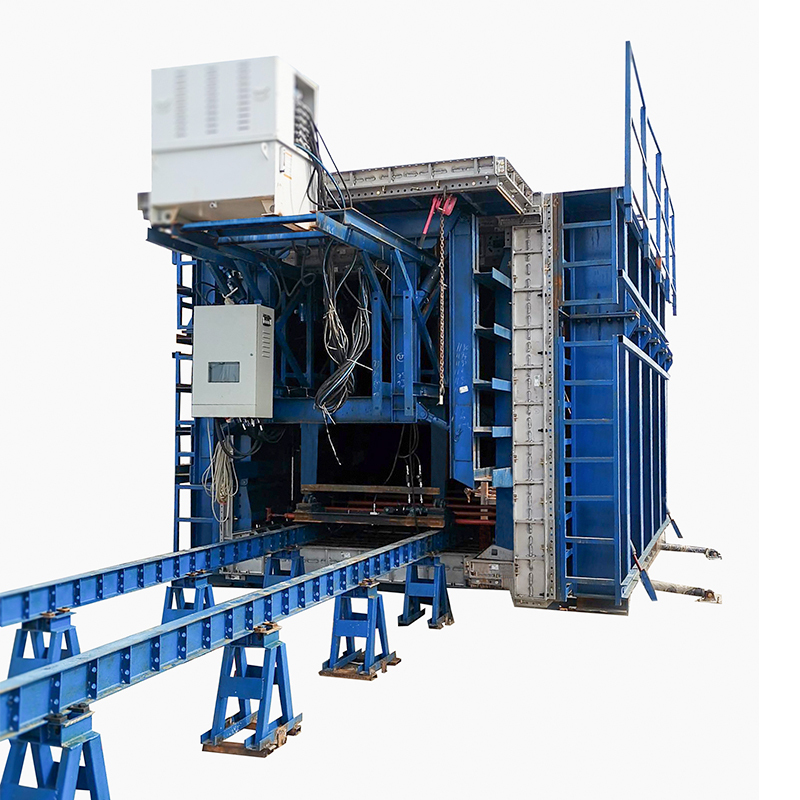
GETO prefabricated prefinished volumetric construction
How GETO PPVC molds respond to these challenges
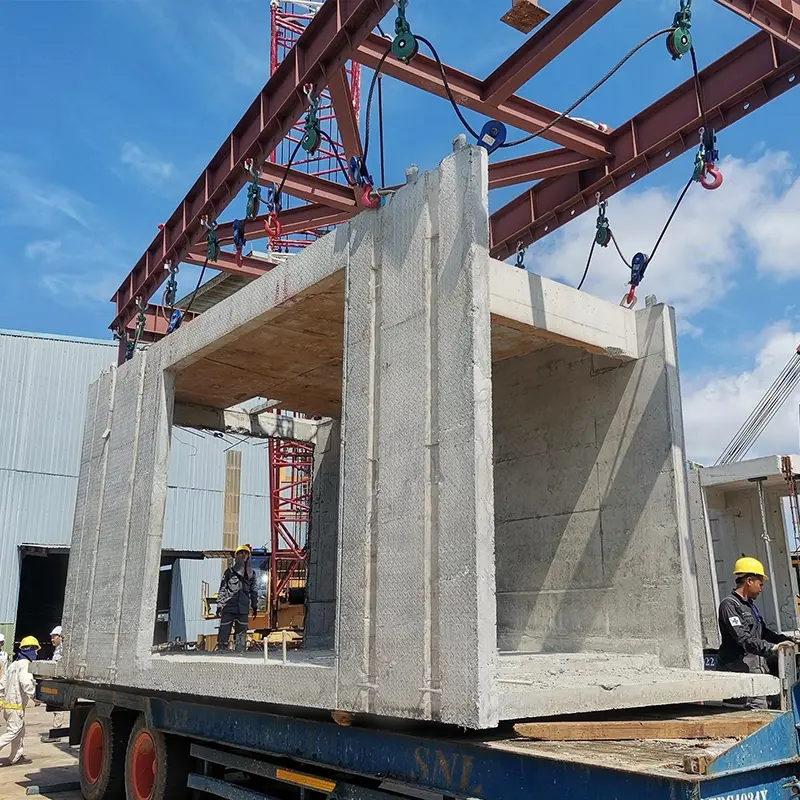
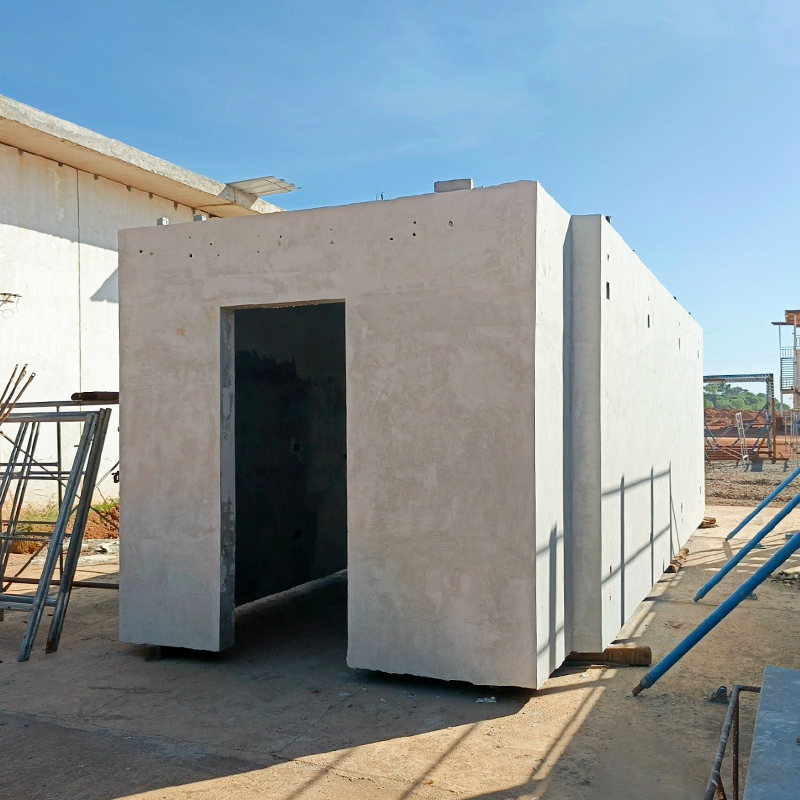
GETO's PPVC precast housing molds treat an entire room—walls, floor slab, ceiling, door and window openings—as a single volumetric unit, cast in one pour in the factory. Against the challenges above, their value shows up in a few ways:
Shorter schedules. Modules can be produced in parallel in the factory while the site only handles assembly and casting. In GETO's project experience, the overall schedule is often shortened by roughly 50%.
Less reliance on site labor. Mechanical clamping and automated demolding keep more of the work in the factory. In some projects, labor costs have been reduced by up to about 40%, with fewer workers needed on site.
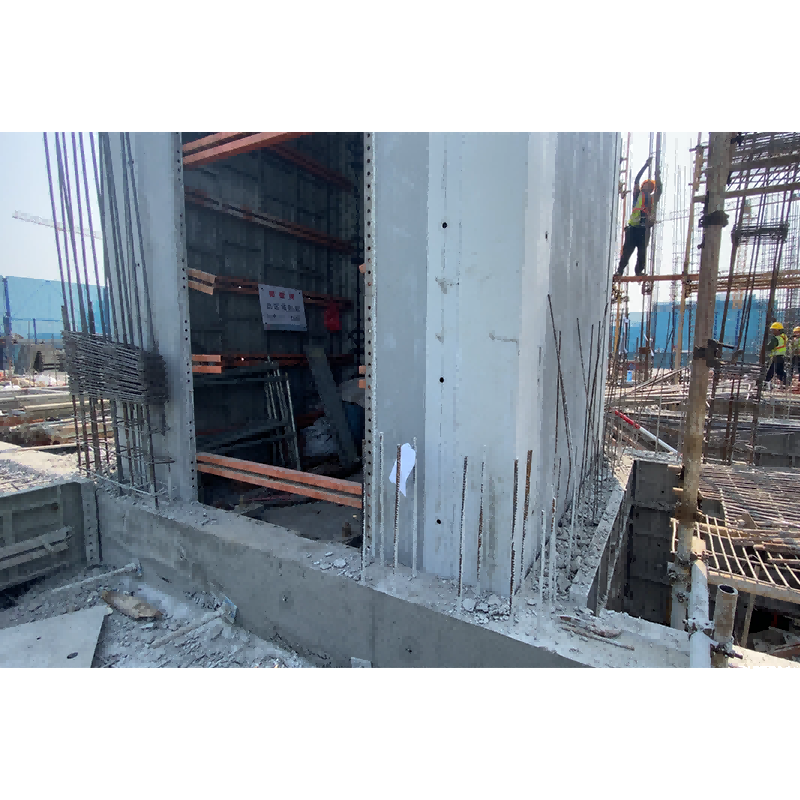
More consistent accuracy and finish. Casting once under factory conditions helps keep wall thickness, openings, and connection points reasonably consistent. Many projects achieve a fair-faced concrete finish, which can reduce secondary plastering and lower the risk of leakage and misalignment.
Less weather and environmental disruption. Indoor production makes schedules more predictable, and site dust, noise, and waste tend to decrease—aligning better with green construction practices.
These outcomes vary by project type, module design, and the level of automation on the production line, so not every project will see the same figures.
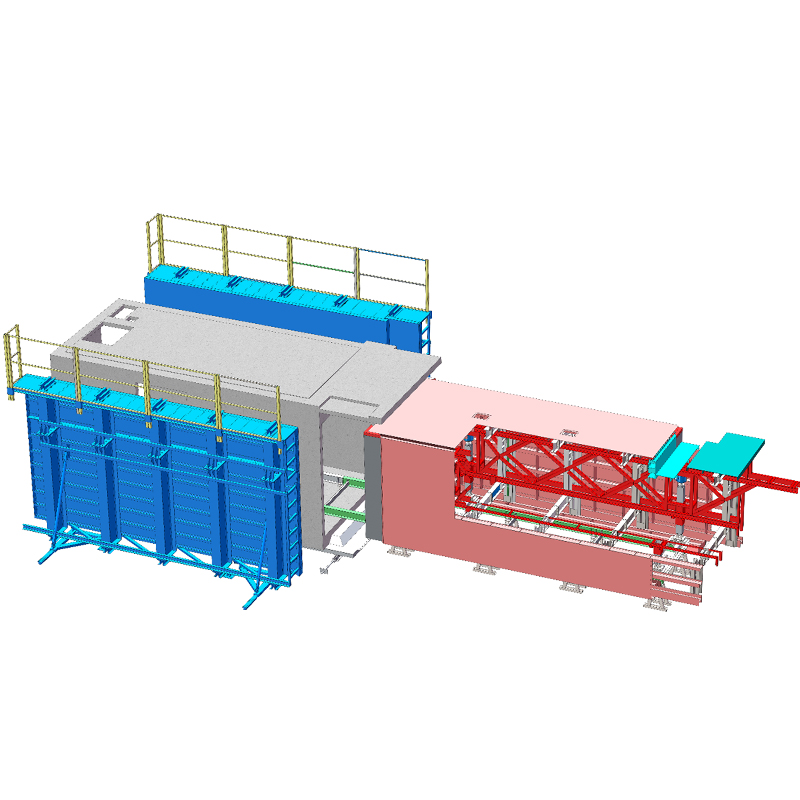
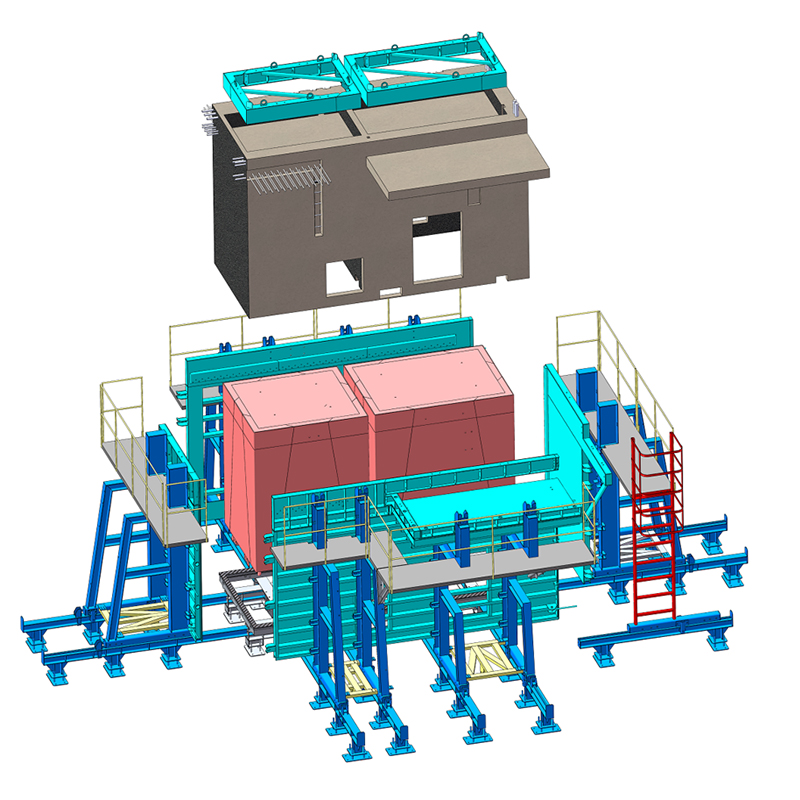
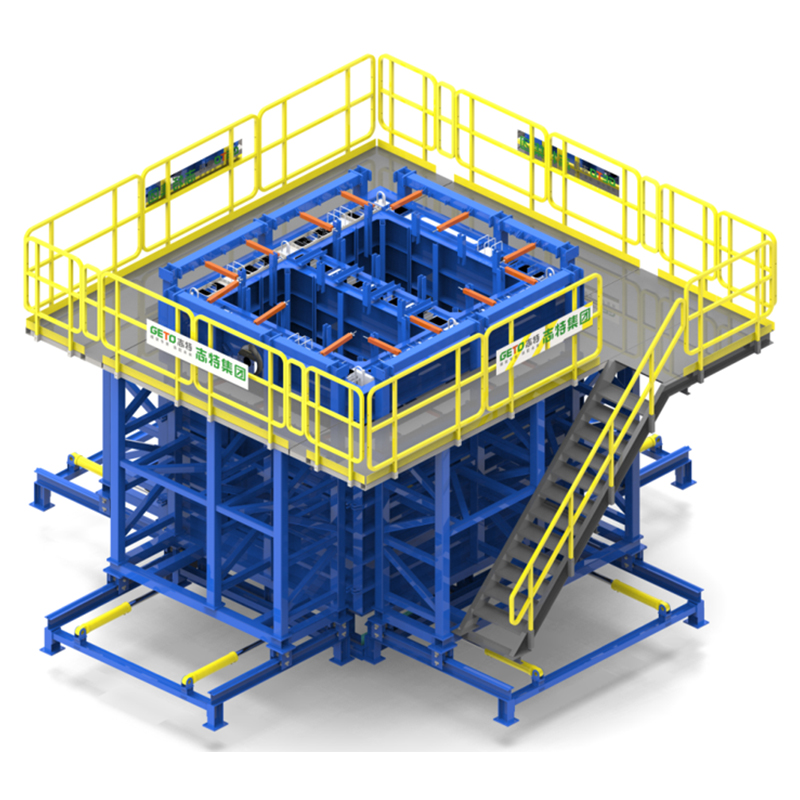
How to use: the operating flow
A typical PPVC mold workflow can be broken into four steps:
- Close and position the mold. The side and end panels are closed and locked to the module dimensions. The end panels' positioning has a notable influence on the accuracy of door and window openings and connection zones.
- Cast and form. Walls, floor slab, and ceiling are poured and cured in one go under controlled factory conditions.
- Demold and transfer. The mold is opened and demolded hydraulically or manually, and the module moves on to curing and finishing before being handled safely via its lifting points.
- Lift and assemble on site. Modules are placed and connected quickly once they arrive on site.
On the operating side, projects can choose according to capacity and budget:
- Manual molds tend to have a lower upfront cost and simpler maintenance, and suit smaller volumes or early-stage operations;
- Hydraulic/automated molds make opening, closing, and demolding more automated, and usually deliver higher output and better dimensional consistency for high-volume, high-spec projects.
Either way, regular calibration of the locking mechanisms, checks on side-panel rigidity, and proper cleaning and rust prevention help keep the mold accurate over its service life.
How to choose: from mold series to supplier
Choose a series by structure. GETO offers three main series: the K Series is a semi-enclosed structure with a horizontal bottom slab, top slab, and three vertical walls; the R Series combines a horizontal top slab with four vertical walls into an integrated module; the H Series is a closed or semi-enclosed module body of four vertical walls with no top or bottom slabs, using cavity-free wall construction. The right series usually depends on the module geometry and structural requirements.
Choose by flexibility. Standardized dimensions suit fixed molds, which turn over efficiently; multiple layouts and sizes suit adjustable molds; irregular geometry and special connections often call for custom molds. For 2D panelized components such as walls, stairs, beams, and columns, PC component molds can work alongside the volumetric molds.
Choose by project type. High-rise residential and apartment projects often start with standard volumetric modules. Public housing may combine a public housing steel formwork system with modular molds. For box culverts, pipe galleries, tunnels, and similar infrastructure, bridge formwork systems and tunnel formwork systems offer related reference points.
Choose by supplier capability. It helps to look at five things: design and engineering capability, manufacturing accuracy and quality control, the level of automation and how it matches your production line, delivery experience on similar projects, and support from design through after-sales. A mold is a long-term asset, and a supplier's responsiveness can directly affect the cost of downtime.
PPVC Precast Housing Molds Supplier - GETO
Project cases
One high-rise residential project involved 11 towers and 2,444 precast modules across 91 structural types. For a program of this scale and variety, GETO supplied 35 sets of automated molds and 17 sets of non-automated molds for repeated casting in the factory. Keeping so many modules dimensionally consistent made the later on-site assembly noticeably smoother.
An upgraded apartment project tested the custom side of things more directly. The units had irregular, notched corners that standard molds couldn't accommodate easily. GETO provided customized full-floor assembly molds—22 sets in total—used for turnover casting, balancing efficient demolding with a good surface finish.
A large residential complex used 21 sets of automated molds to cast 38 precast modules. The case suggests that automated molds can still deliver steadily when module structures are relatively complex and consistency requirements are high.
A public housing project made use of GETO's PBU prefabricated bathroom molds and PHS prefabricated household shelter molds. These let specialty spaces such as bathrooms and shelters be produced in the factory with the same precision and efficiency as standard modules, reducing scattered on-site work.
These figures come from specific projects, and actual results depend on project conditions, module design, and production-line configuration.
FAQ
How are PPVC molds different from conventional precast molds? Conventional precast molds typically produce individual panels, slabs, or beams. PPVC molds form an entire room-scale module in one go, with openings and provisions for M&E and finishes included.
Should I choose a manual or hydraulic mold? For smaller volumes or a starting phase, manual molds are usually the lower-cost, simpler option. For high-volume, high-spec projects, hydraulic or automated molds generally offer better output and consistency—and it's possible to upgrade in stages.
Can the molds be customized? Yes. GETO typically designs around module dimensions, structural requirements, and lifting plans, and can support irregular geometry, special connections, and project-specific lifting points.
How do I maintain mold accuracy over time? Regular calibration of the locking mechanisms, checks on side-panel rigidity, cleaning of contact surfaces, and rust prevention are common ways to keep dimensions consistent.
What support does GETO provide? Beyond mold manufacturing, GETO can provide engineering design support, production planning assistance, and technical services over the project lifecycle.
Contact
Whether you're a developer, main contractor, or precast manufacturer, GETO can help evaluate the right PPVC mold solution for your project's scale, budget, and complexity. For more details, reach out to geto_market@geto.com.cn for product information, project references, and a customized proposal.