
On a river or estuary crossing, the bridge does not start at the deck — it starts underwater. Before a single pier can rise, the pile cap has to be formed inside a dry, watertight enclosure, and in Malaysia the job is rarely easy. Tidal rivers, soft riverbeds, deep water and varying bed levels all work against a simple pour.
The tool that makes it possible is the steel cofferdam. This guide explains how steel cofferdams work, the two main types, and how to choose and use one on a Malaysian bridge site.
Why a pile cap needs a cofferdam
Concrete cannot be placed directly into water. For a pile cap to be cast safely and to the right quality, the working area has to be dewatered and kept dry. A cofferdam is the temporary watertight enclosure that does this job — it holds back water and soil so crews can cut piles, place reinforcement and pour the cap in dry conditions.
Compared with alternatives, a steel cofferdam brings clear advantages on Malaysian sites:
- Strength and watertightness — steel panels seal better and withstand deeper water than earth-fill or sandbag bunds.
- Reuse — a modular steel box can be dismantled, shipped and reused on the next pier or the next project, which matters for programme cost.
- Flexibility — panels can be combined into different shapes and sizes to match the cap geometry.
The key decision is which type of steel cofferdam fits the site: bottomless or with-bottom.
Two types of steel cofferdam
Bottomless steel box cofferdam
A bottomless steel box is inserted directly into the riverbed. The ground itself forms the base of the enclosure, so the box only has to hold back the water around the sides. It is the right choice for low pile caps, where the cap sits close to the riverbed and the box can be seated directly into the bed.
With-bottom steel box cofferdam
A with-bottom steel box includes its own base and is hung from the pile foundation rather than seated in the bed. It suits high pile caps, where the cap is elevated and the enclosure is suspended from the pile foundation instead of being inserted into the riverbed.
Both types are built as modular steel systems that can be shipped in containers, assembled on site and dismantled for reuse — a significant cost lever when a bridge has many piers.
Inside the system
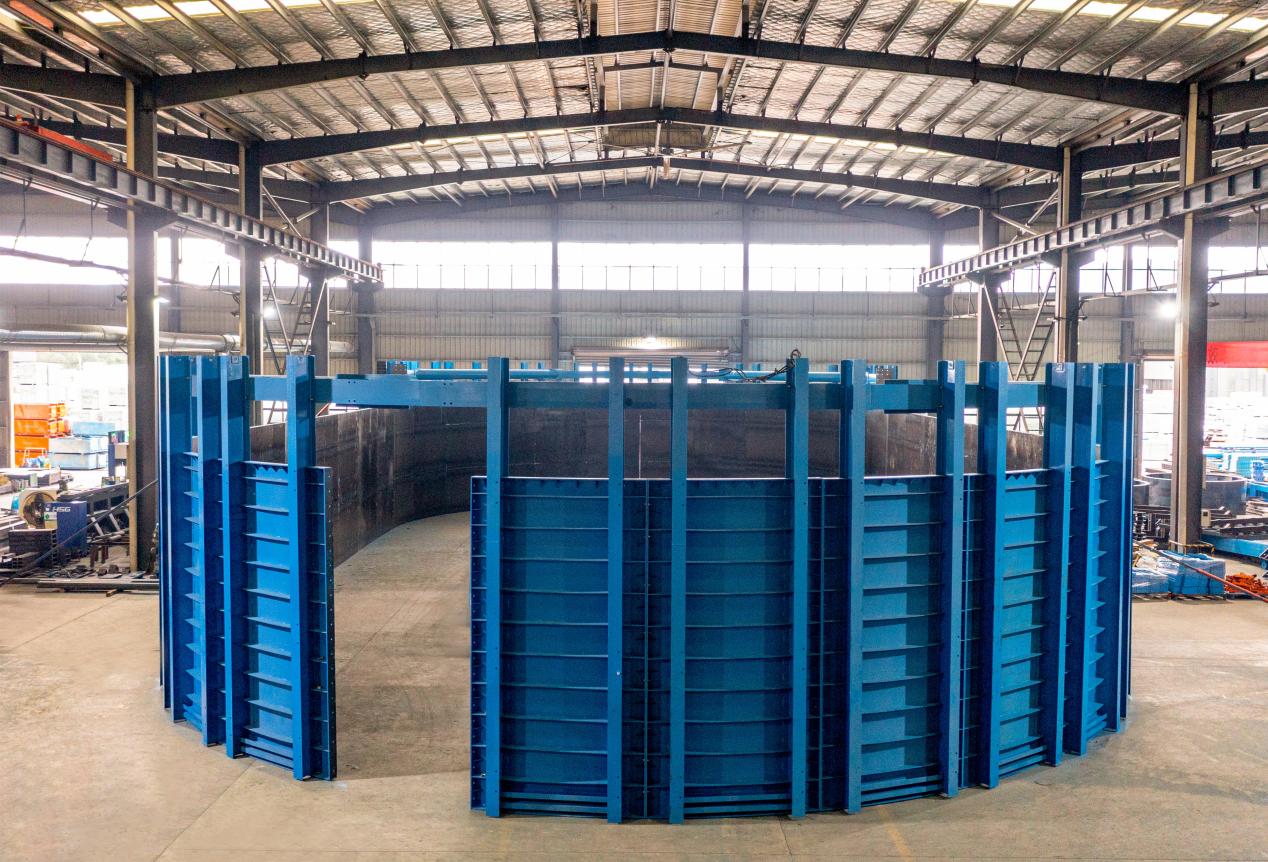
GETO's steel cofferdams are supplied prefabricated and modular. Across a multi-pier bridge, this is what makes them work:
- Container-shippable and reusable — the prefabricated steel cofferdam ships in containers and can be easily dismantled and reused on the next pier.
- High strength and waterproof — the steel construction holds back water in deep-water conditions.
- Combinable geometry — panels can be combined into various shapes and sizes as required by the cap.
- Two configurations — bottomless (seated in the riverbed) or with-bottom (hung on the piles), matched to the cap elevation.
Because the components are modular, the same system moves from pier to pier, cutting the time and cost of each new foundation.
How to choose — a decision checklist
Work through these points before committing to a system:
- Pile cap elevation — low cap → bottomless box inserted directly into the riverbed; high cap → with-bottom box hung on the pile foundation.
- Riverbed conditions — a bottomless box is inserted directly into the riverbed bottom, so there must be a bed it can seat into.
- Water depth — the steel cofferdam's strength and waterproofing allow deep-water construction.
- Geometry — panels combine into various shapes and sizes to match the cap.
- Turnover — if the bridge has many similar piers, prioritise the container-shippable, reusable system that repeats.
If the cap is low and the box can seat into the riverbed, a bottomless box is usually the simplest option. If the cap is elevated, specify a with-bottom box hung from the piles.
Malaysia site conditions and the road ahead
Malaysia's bridge sites demand exactly what a well-designed steel cofferdam provides. Sarawak and Sabah are criss-crossed by rivers, and coastal and estuarine crossings bring tidal levels, soft alluvium and deep water — conditions where bottomless and with-bottom steel boxes earn their keep.
The pipeline keeps the pressure on. Malaysia's rolling programme of highway, rail and water projects continues to add river crossings and elevated viaducts, and every one of those structures starts with a pile cap, and every pile cap starts with a cofferdam.
For owners and contractors, that means the cofferdam is not a commodity detail — it is a schedule and safety risk. A modular, reusable system backed by local engineering support and CIDB G7 capability turns a difficult underwater start into a repeatable, controlled sequence.
Proof point: Batang Saribas Bridge
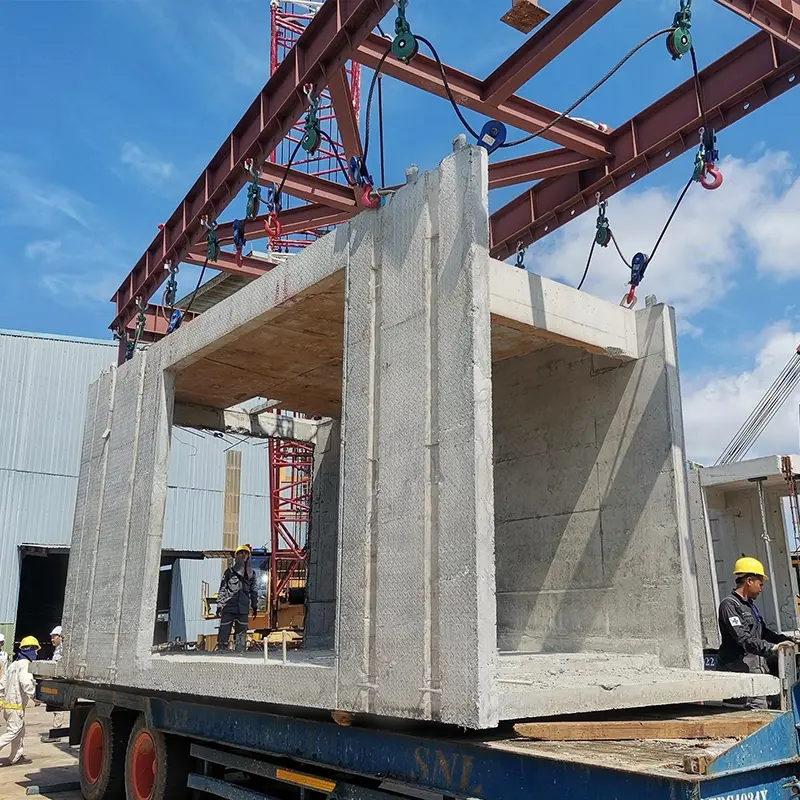
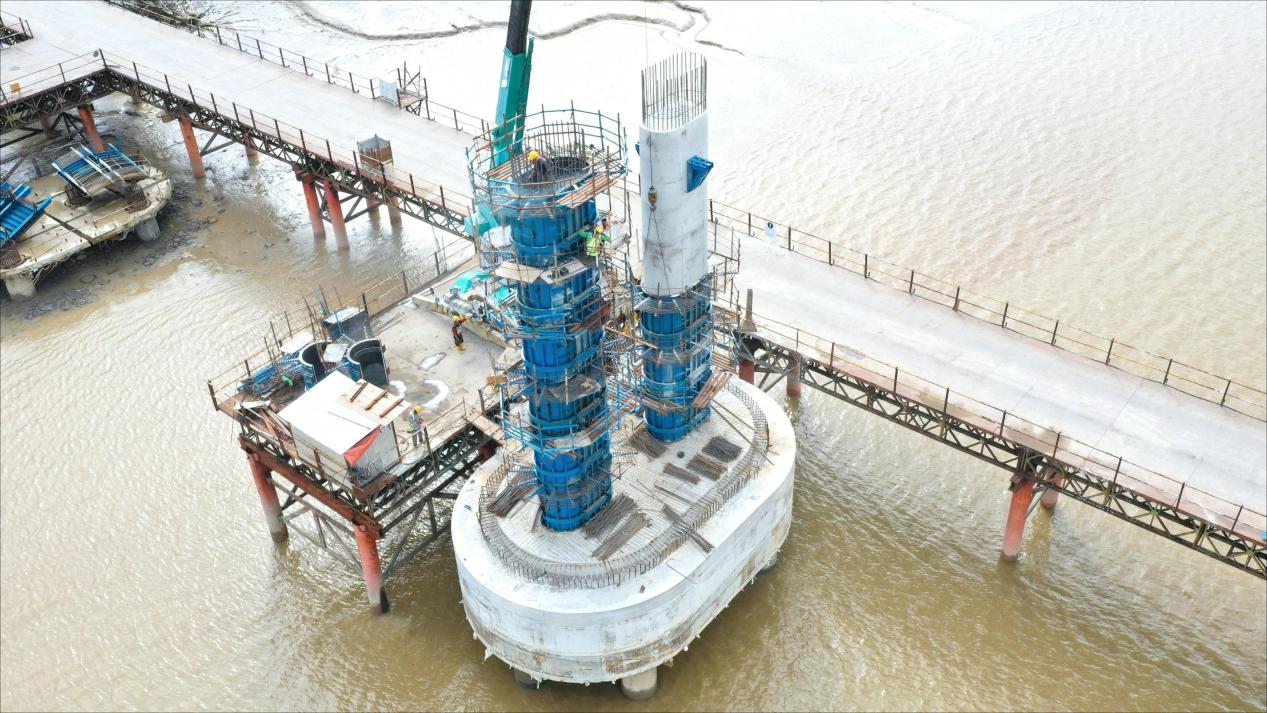
On the Batang Saribas Bridge in Sarawak, GETO's approach and main bridge cofferdams were built from steel formwork combined with a precast concrete bottom slab — the slab prefabricated in blocks for easy lifting — and the pile caps were cast in situ inside the enclosure. The project also demonstrates the wider bridge toolkit GETO supplies, including pier formwork, bent cap formwork, T-beam moulds and the balanced cantilever carriage used to cast the 425-tonne Segment #1 box girder.
Frequently asked questions
What is the difference between a bottomless and a with-bottom steel cofferdam?
A bottomless box is inserted into the riverbed and uses the ground as its base, suiting low pile caps. A with-bottom box carries its own base and is hung from the pile foundation, suiting high pile caps.
How does a steel cofferdam stay dry on a Malaysian river site?
The steel construction has high strength and good waterproof performance, and the enclosure holds back the surrounding water so the pile cap can be cast in dry conditions. On the Batang Saribas Bridge, the cofferdam combined steel formwork with a precast concrete bottom slab.
Can a steel cofferdam be reused?
Yes. Modular systems are dismantled after the pour, shipped in containers and reassembled on the next pier or project, which lowers the cost per foundation.
Can a steel cofferdam be combined into different shapes and sizes?
Yes. GETO's cofferdams can be combined into various shapes and sizes as required, so one modular system can be adapted to different pile cap geometries.