
Introduction
Controlling construction costs is one of the biggest challenges facing contractors, developers, and project owners today. Rising labor expenses, increasing material prices, stricter project schedules, and growing quality expectations all place pressure on construction budgets. While many companies focus on reducing costs through procurement negotiations or workforce management, one critical area is often overlooked: formwork selection.
Formwork plays a vital role in concrete construction and can account for a significant portion of structural construction costs. The type of formwork system used affects labor efficiency, construction speed, material waste, concrete quality, and overall project profitability.
Traditional formwork methods may seem cost-effective at first glance, but they often involve higher labor requirements, limited reuse, and increased material waste. In contrast, reusable formwork systems are designed to be used repeatedly across multiple construction cycles, helping contractors improve productivity while reducing long-term costs.
This article explores how reusable formwork systems can help reduce construction costs and improve project efficiency, while highlighting the key solutions available for modern construction projects.
Why Construction Costs Continue to Rise
Construction costs are influenced by many factors, including:
- Labor shortages and rising wages
- Increasing material prices
- Longer project timelines
- Equipment and transportation expenses
- Quality control requirements
- Safety regulations
- Environmental compliance
Among these factors, labor and productivity often have the greatest impact on overall project profitability.
A construction project that takes longer than planned will typically incur higher:
- Site management costs
- Equipment rental fees
- Financing costs
- Overhead expenses
Therefore, improving construction efficiency is one of the most effective ways to control project costs.
What Are Reusable Formwork Systems?
Reusable formwork systems are engineered temporary structures designed to be used repeatedly throughout a project and on future projects.
Unlike traditional timber formwork that may require extensive cutting and replacement, reusable systems are manufactured using durable materials such as aluminium and steel.
Common reusable formwork solutions include:
- Aluminium formwork systems
- Quick-deck systems
- Tunnel formwork systems
- Climbing formwork systems
- Adjustable column formwork systems
These systems are designed to maintain dimensional accuracy and structural performance through numerous construction cycles.
Because they can be reused many times, the initial investment is spread across multiple projects, significantly reducing the average cost per use.
The Hidden Costs of Traditional Formwork
Many contractors focus on the initial purchase price of formwork materials without considering long-term costs.
Traditional formwork often creates hidden expenses that impact project profitability.
High Labor Requirements
Traditional timber formwork frequently requires:
- Measuring
- Cutting
- Assembly
- On-site adjustments
- Dismantling
These activities consume valuable labor hours and increase project costs.
Limited Reuse
Timber components can become damaged after repeated use, requiring replacement throughout the project.
This leads to additional material expenses and increased waste.
Material Waste
Traditional methods often generate offcuts and discarded materials that cannot be reused.
The resulting waste contributes to higher disposal costs and reduced sustainability.
Inconsistent Concrete Finishes
Frequent modifications can affect dimensional accuracy and surface quality, increasing the need for repairs and finishing work.
How Reusable Formwork Systems Reduce Construction Costs
Lower Labor Costs
Labor is often one of the largest expenses on a construction project.
Reusable formwork systems are designed with standardized components that simplify installation and dismantling procedures.
Workers spend less time:
- Measuring materials
- Cutting panels
- Making adjustments
- Rebuilding damaged sections
As crews become familiar with the system, installation efficiency improves further, leading to significant labor savings over the course of the project.
Faster Construction Cycles
Construction speed directly affects profitability.
The faster a contractor can complete a floor or structural section, the lower the overall project overhead.
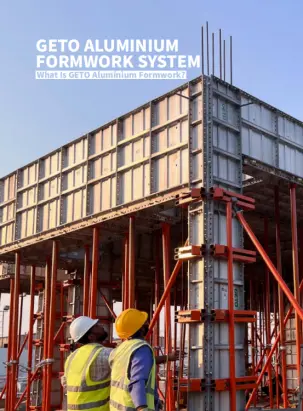
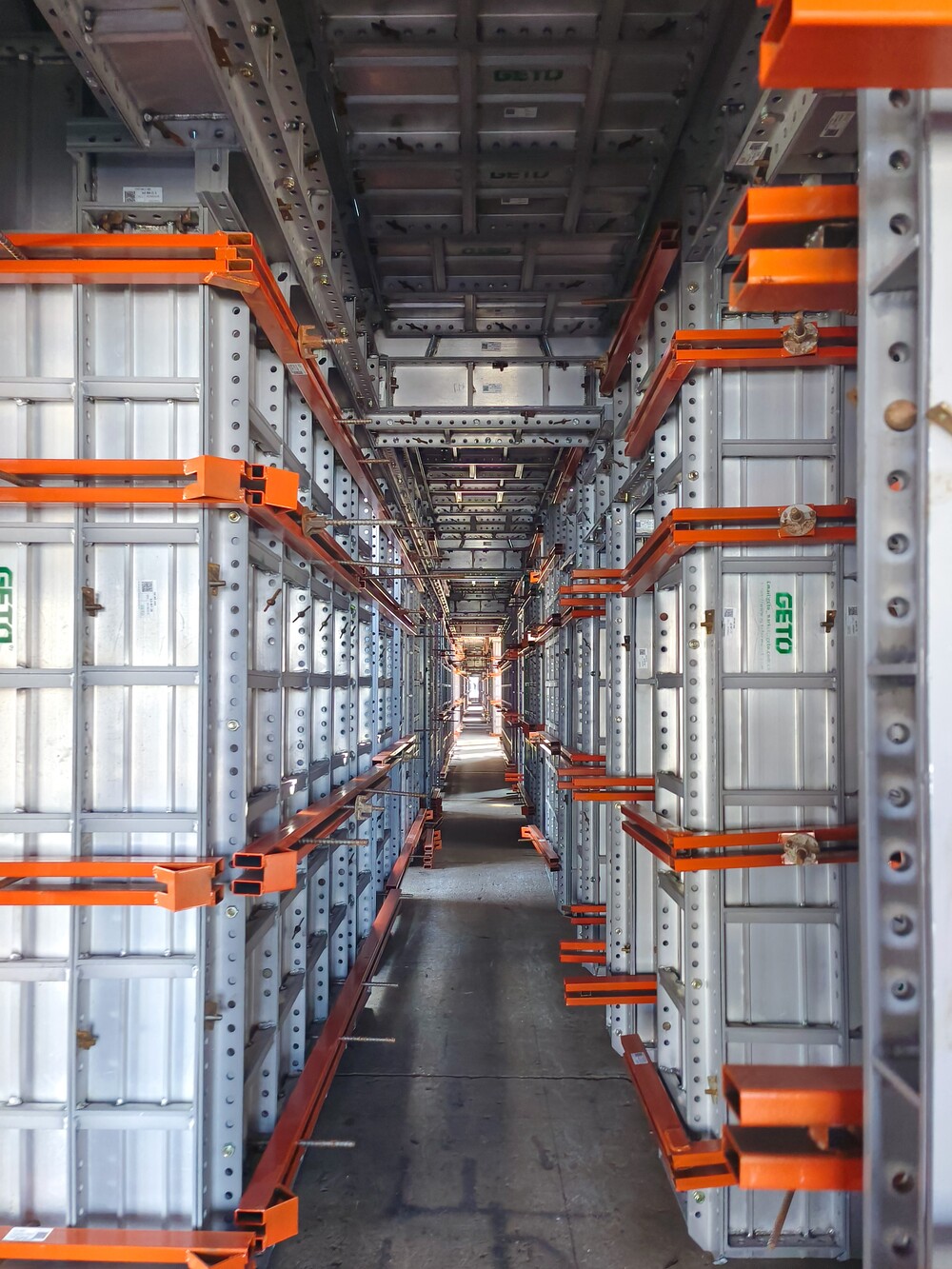
Engineered systems such as the Aluminium Formwork System allow contractors to establish repetitive construction cycles and improve workflow consistency.
Faster construction cycles can help reduce:
- Site management expenses
- Equipment costs
- Temporary facility costs
- Financing expenses
This creates substantial cost-saving opportunities, especially on large projects.
Improved Productivity
Reusable systems are designed for efficiency.
Standardized panels, connectors, and accessories allow workers to install formwork more quickly and accurately.
This improved productivity enables contractors to:
- Complete more work with the same workforce
- Reduce project delays
- Improve resource utilization
Over time, these gains can significantly improve project profitability.
Reduced Material Waste
One of the biggest advantages of reusable formwork systems is waste reduction.
Instead of discarding materials after a few uses, contractors can reuse components repeatedly.
Benefits include:
- Lower material consumption
- Reduced disposal costs
- Improved sustainability performance
- Better resource utilization
This is particularly important for large-scale projects where material waste can become a major expense.
Better Concrete Quality
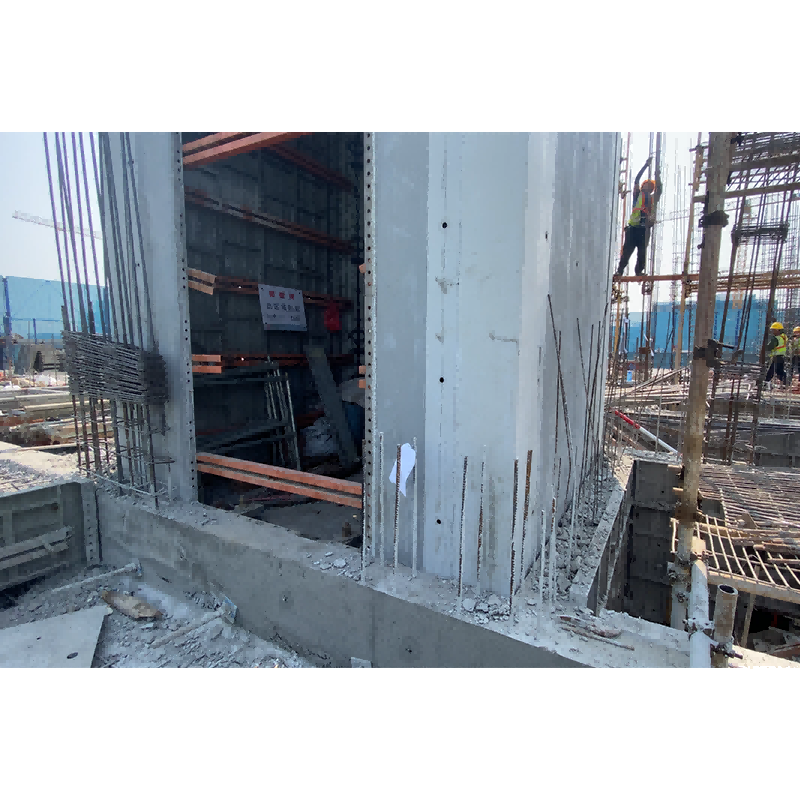
High-quality reusable systems provide consistent dimensions and smooth concrete finishes.
This can reduce:
- Surface repairs
- Rework
- Plastering requirements
- Finishing costs
Improved quality helps contractors save both time and money during later construction stages.
Aluminium Formwork: A Cost-Effective Reusable Solution
Among modern reusable systems, aluminium formwork has become one of the most popular options for residential and commercial construction.
The Aluminium Formwork System offers a combination of durability, lightweight construction, and high reuse potential.
Lightweight Components
Aluminium panels are easier to handle than many traditional alternatives.
This can reduce labor intensity and improve installation efficiency.
High Reusability
One of the biggest advantages of aluminium formwork is its ability to support numerous reuse cycles.
The more times a system is reused, the lower the average cost per use becomes.
Faster Installation
Standardized panel designs allow workers to follow a consistent installation process, helping improve productivity and reduce construction time.
Consistent Concrete Finish
Accurate panel manufacturing contributes to improved dimensional accuracy and higher-quality concrete surfaces.
Using Quick-Deck Systems to Improve Slab Construction Efficiency
Large slab areas often require significant labor and time.
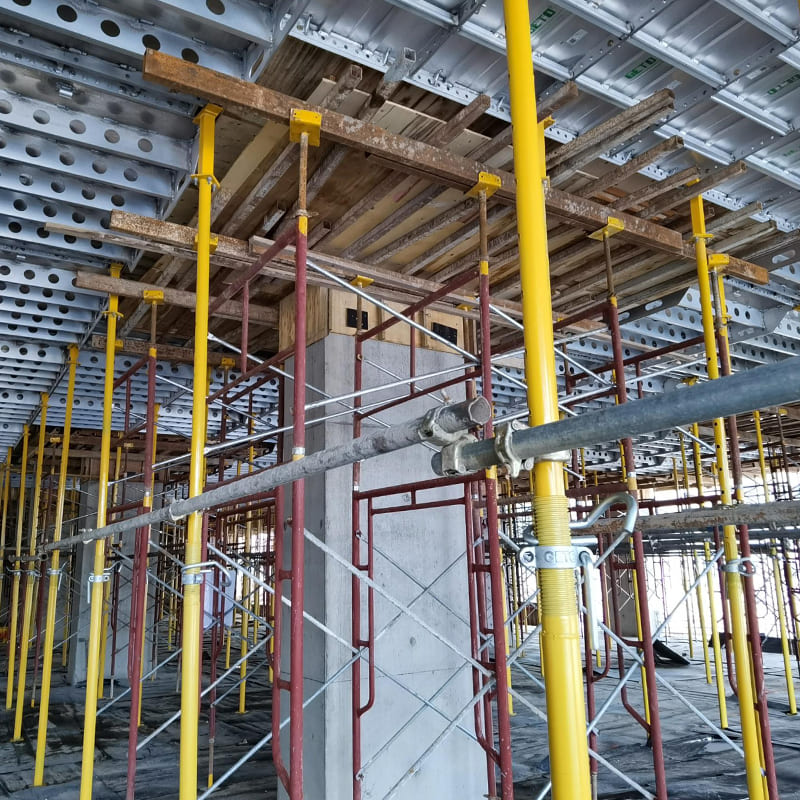
The Quick-Deck System is designed to improve efficiency during slab construction.
Key benefits include:
- Lightweight components
- Faster installation
- Easy dismantling
- Reusability across multiple floors
For commercial buildings, parking structures, and residential developments, deck systems can help reduce labor costs while accelerating project schedules.
Reducing High-Rise Construction Costs
High-rise projects face unique challenges, including:
- Vertical transportation
- Material handling
- Safety management
- Crane utilization
Reusable formwork systems can help address these challenges by improving workflow efficiency and reducing dependency on traditional construction methods.
When used alongside these formwork systems, the Self-Climbing Platform further improves the high-rise workflow. Designed for high-rise construction, it moves upward as the building progresses, working together with formwork to reduce crane dependency and keep the site organized.
Benefits include:
- Reduced crane dependency
- Faster vertical construction
- Improved site organization
- Enhanced worker safety
These advantages can lead to lower indirect project costs and improved schedule performance.
Specialized Solutions for Complex Construction Projects
Different projects often require specialized formwork systems.
Selecting the right solution can improve efficiency and reduce unnecessary expenses.
Tunnel Construction
Tunnel projects require highly specialized formwork solutions.
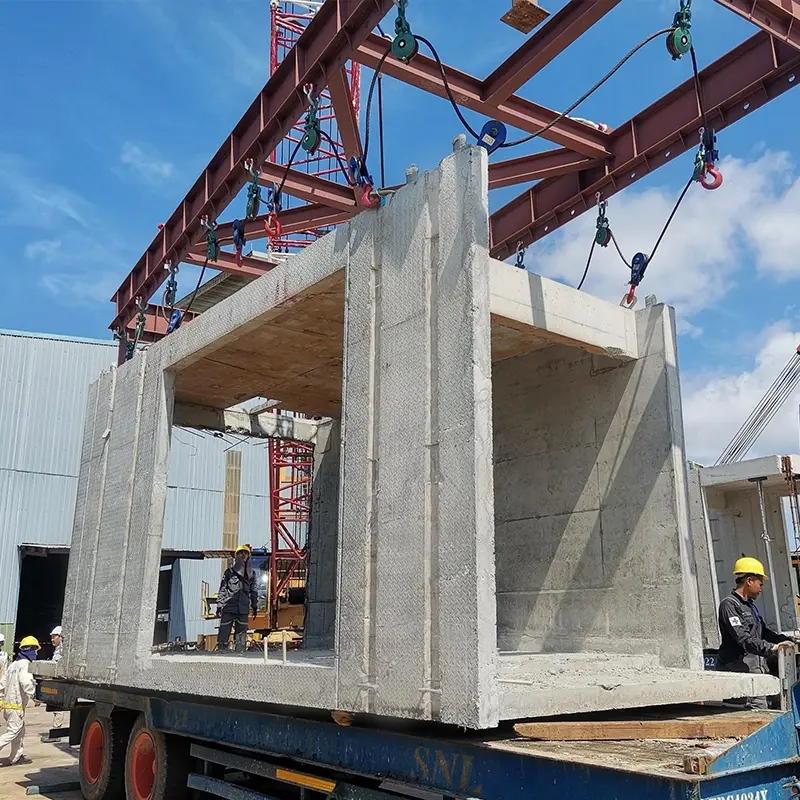
The Tunnel Formwork System is designed for residential and commercial building construction, and can improve accuracy, productivity, and consistency compared with conventional methods.
One-Sided Wall Construction
Certain structures, such as retaining walls and basement walls, only allow access from one side.
The Single-Side Wall Framework is designed to handle concrete pressure safely in these situations.
Variable Column Dimensions
Projects often contain columns of different sizes.
The Adjustable Aluminium Column Formwork System allows contractors to accommodate multiple column dimensions using a flexible and reusable system.
This helps reduce material investment while improving efficiency.
Calculating the Return on Investment (ROI) of Reusable Formwork
Some contractors hesitate to invest in reusable systems because the initial purchase cost may be higher than traditional alternatives.
However, formwork should be evaluated based on total lifecycle cost rather than upfront price alone.
Important factors include:
- Labor savings
- Reduced project duration
- Lower material waste
- Improved concrete quality
- Reuse potential
- Future project applications
When these factors are considered together, reusable systems often provide significantly greater value over time.
The larger and more repetitive the project, the greater the potential return on investment.
Best Practices for Maximizing Cost Savings
Plan Formwork Early
Formwork planning should begin during the project design stage whenever possible.
Early planning allows contractors to select the most suitable system and optimize construction sequencing.
Train Installation Teams
Proper training helps workers install and dismantle systems correctly and efficiently.
Well-trained crews can maximize productivity while reducing component damage.
Maintain Equipment Properly
Regular cleaning and maintenance extend the service life of reusable formwork components.
Store Components Correctly
Proper storage reduces damage and ensures systems remain in good condition for future projects.
Monitor Reuse Cycles
Tracking component usage helps contractors evaluate return on investment and plan future procurement decisions.
Sustainability Benefits of Reusable Formwork Systems
In addition to reducing costs, reusable formwork systems support sustainability goals.
Benefits include:
- Reduced material waste
- Lower resource consumption
- Extended product lifespan
- Improved environmental performance
As governments and developers place greater emphasis on sustainable construction, reusable systems are becoming an increasingly attractive option.
Frequently Asked Questions
What is a reusable formwork system?
A reusable formwork system is a temporary structure designed to be used repeatedly across multiple construction cycles and projects. Common materials include aluminium and steel.
How does reusable formwork reduce costs?
Reusable formwork reduces labor requirements, minimizes waste, improves productivity, shortens construction schedules, and lowers the average cost per use.
Is aluminium formwork worth the investment?
For repetitive residential and commercial projects, aluminium formwork often provides substantial long-term value through labor savings, faster construction cycles, and high reuse potential.
Can reusable formwork be used for high-rise buildings?
Yes. Many high-rise projects use reusable formwork systems together with climbing technologies such as the Self-Climbing Platform.
What factors affect the ROI of reusable formwork?
Key factors include project size, repetition rate, labor costs, maintenance practices, construction schedules, and future reuse opportunities.
Conclusion
Reducing construction costs requires a comprehensive approach that focuses on productivity, efficiency, and long-term value rather than simply minimizing initial expenses.
Reusable formwork systems have become an essential tool for modern construction because they help contractors reduce labor costs, accelerate construction schedules, improve concrete quality, and minimize material waste. Solutions such as the Aluminium Formwork System, Quick-Deck System, Tunnel Formwork System allow construction teams to optimize performance while improving return on investment.
As construction projects continue to demand greater efficiency and sustainability, reusable formwork systems will play an increasingly important role in helping contractors control costs and deliver successful projects.