
As the global construction market heads toward 2026, efficiency, low-carbon practices, and standardization are no longer mere slogans; they have become essential prerequisites for corporate survival. For high-rise residential buildings and large-scale real estate developments, every single day of the construction cycle translates directly into substantial financial costs. Against this backdrop, traditional timber and steel beams—plagued by high material loss, excessive weight, and low precision—are increasingly being replaced by aluminium beams in formwork applications.
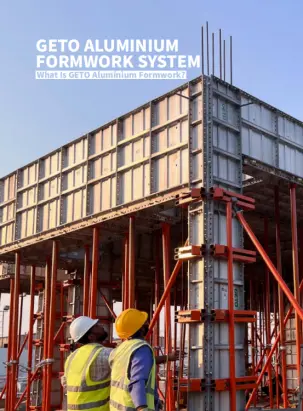
As the core structural framework within the GETO Aluminium Formwork System, aluminium beams play a decisive role in supporting concrete slabs and beam soffit formwork. However, many procurement specialists and engineers still harbor questions when encountering this technology for the first time: Are aluminium beams truly more cost-effective than timber beams? How exactly do they help shorten construction schedules? To assist you in making informed technical decisions, we have compiled this guide: "Top 10 FAQs on Aluminium Beams for Shuttering," offering an in-depth exploration of the core principles behind this modern formwork component.
What Are Aluminium Beams for Shuttering?
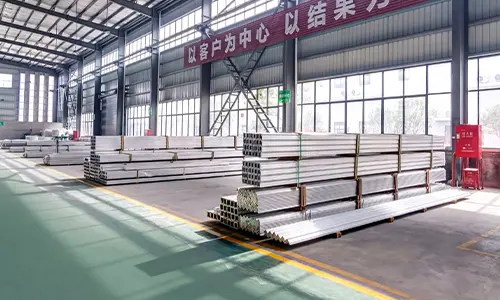
Definition of Aluminium Beam
In formwork engineering, an "aluminium beam for shuttering" refers to a structural beam precision-formed via extrusion using high-strength aluminium alloy profiles (typically 6061-T6). It is designed to support concrete slab formwork or beam-bottom formwork, bearing the weight of wet concrete during pouring as well as the live loads associated with construction activities.
Its Core Role in Concrete Formwork Systems
The aluminium beam serves as the "backbone" of the formwork system. It connects the vertical support props to the formwork panels, uniformly transferring the downward pressure to the underlying support structure. Its exceptional rigidity ensures that, even across large spans, the deflection of the concrete slab is effectively controlled within allowable limits
Distinctions from Traditional Timber and Steel Beams
- vs. Timber Beams: Timber beams are susceptible to moisture-induced deformation and rot, and they offer a very low reuse rate (typically only 5 to 10 cycles). Aluminium beams, conversely, are completely waterproof and corrosion-resistant, boasting a reuse rate that can reach into the hundreds of cycles.
- vs. Steel Beams: While steel beams possess high structural strength, their excessive weight necessitates the use of tower cranes for handling and positioning. Aluminium beams are exceptionally lightweight (averaging only about 25 kg per running meter), allowing easier manual handling by workers and significantly reducing the reliance on heavy machinery.
The Role of Aluminium Beams in Aluminium Formwork Systems
In the GETO Aluminium Formwork System, the aluminium beam is more than just a horizontal support; it is a key component that enables efficient floor slab construction:
- Structural Stability: Through precision-engineered pins and wedges, the aluminium beams connect tightly with the vertical props and formwork panels, forming a robust load-transferring framework.
- Precision Assurance: When aluminium beams are used within the GETO system, the machining precision of the beam components directly affects the flatness of the concrete surface.
- Support for Early-Stripping System: Working in conjunction with prop heads, the beams support an "early-stripping system." This allows for the removal of the aluminium beams and panels within 36 to 48 hours after casting—while retaining the vertical props—thereby accelerating material turnover and reuse cycles.
Top 10 FAQs: Aluminium Beams for Formwork
FAQ 1: What is an aluminium beam for formwork used for?
It is primarily used to support formwork panels for horizontal structures (such as floor slabs and beam soffits). It serves as the primary or secondary support member beneath the formwork panels, ensuring that the concrete maintains its perfect geometric shape before it sets.
FAQ 2: Are aluminium beams better than timber beams?
Yes. Although the initial procurement cost of aluminium beams is higher, their overall value far exceeds that of timber beams. Aluminium beams do not absorb water or deform. When used as part of a complete formwork system, they help deliver high-quality concrete finishes and reduce the need for extensive wall plastering later in the project.
FAQ 3: What material is used to make aluminium beams?
GETO utilizes 6061-T6 aluminium alloy. This material possesses exceptionally high yield strength and shear strength while retaining its lightweight characteristics, making it the "gold standard" material in the field of construction formwork.
FAQ 4: Can aluminium beams improve construction speed?
Absolutely. The lightweight nature of aluminium beams (only about 25 kg per running meter) makes handling and assembly faster and safer. Workers can install them manually without waiting for tower crane availability, which helps reduce floor cycle times.
FAQ 5: Are aluminium beams suitable for high-rise buildings?
Highly suitable. For high-rise residential or office buildings exceeding 20 stories, the advantages of aluminium beams—specifically their lightweight nature for easy handling, high reuse rate, and compatibility with rapid formwork systems—become more significant, making them the preferred choice for standardized high-rise projects today.
FAQ 6: How safe are aluminium beams in shuttering applications?
Provide a high level of safety when properly designed and used.. Aluminium beams undergo rigorous mechanical testing to ensure high load-bearing capacity. Furthermore, as a metal material, they possess excellent fire-resistant properties, significantly reducing fire hazards on the construction site.
FAQ 7: Do aluminium beams reduce construction costs?
Yes. They reduce labor costs (due to rapid, manual installation), minimize equipment rental expenses (by reducing tower crane usage), and—when integrated into a high-precision formwork system—help lower plastering costs due to the quality finish produced. Additionally, even after reaching the end of their service life, the scrap aluminium retains a residual value of over retain significant residual recycling value for recycling.
FAQ 8: How do I choose a reliable aluminium beam supplier?
Look for three key factors: First, system completeness (specifically, whether the supplier possesses R&D capabilities for compatible formwork components); second, project experience (evidenced by global landmark projects); and third, after-sales support. As a leading global supplier, GETO offers a comprehensive, one-stop service—ranging from detailed design and engineering to on-site technical guidance.
Advantages of GETO Aluminium Beams in Formwork Applications(H2)
Why are benchmark projects around the world—including those slated for completion in 2026—choosing GETO aluminium beams for their shuttering needs?
- Highly Standardized Design: Our aluminium beams feature high interchangeability with other GETO formwork components, significantly reducing on-site fabrication and adjustment.
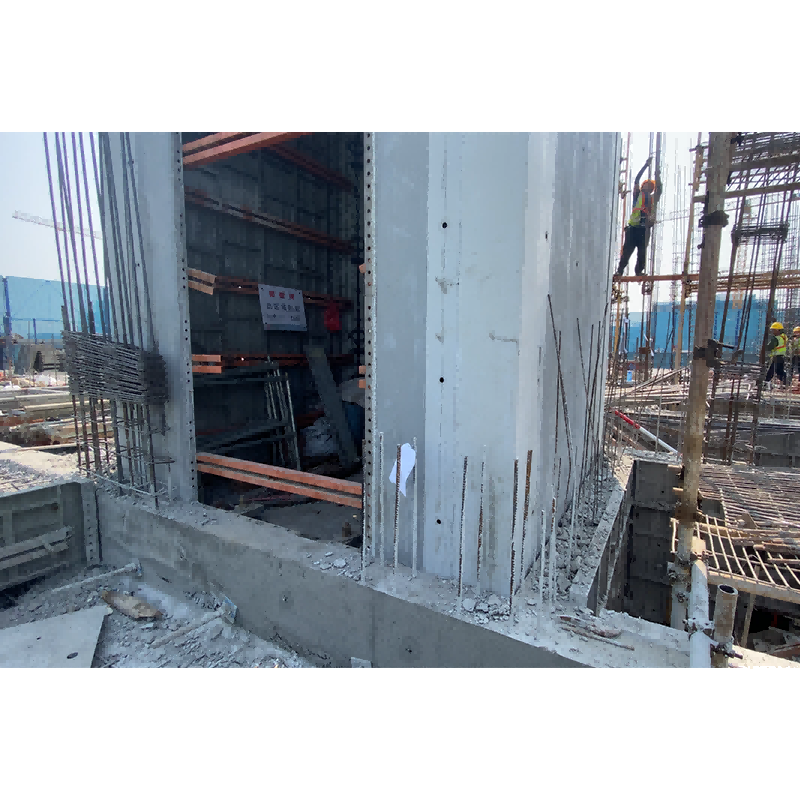
- Zero-Plastering Enabled: Leveraging the high rigidity of GETO aluminium beams, the resulting concrete surfaces achieve excellent flatness, allowing for reduced plastering work when combined with quality formwork panels.
- Lightweight Construction: The entire beam system operates significantly reduces reliance on tower cranes; in high-rise construction projects where tower cranes are often in high demand, this effectively acts as a "booster" that accelerates project progress.
Application Scenarios for Aluminum Beams
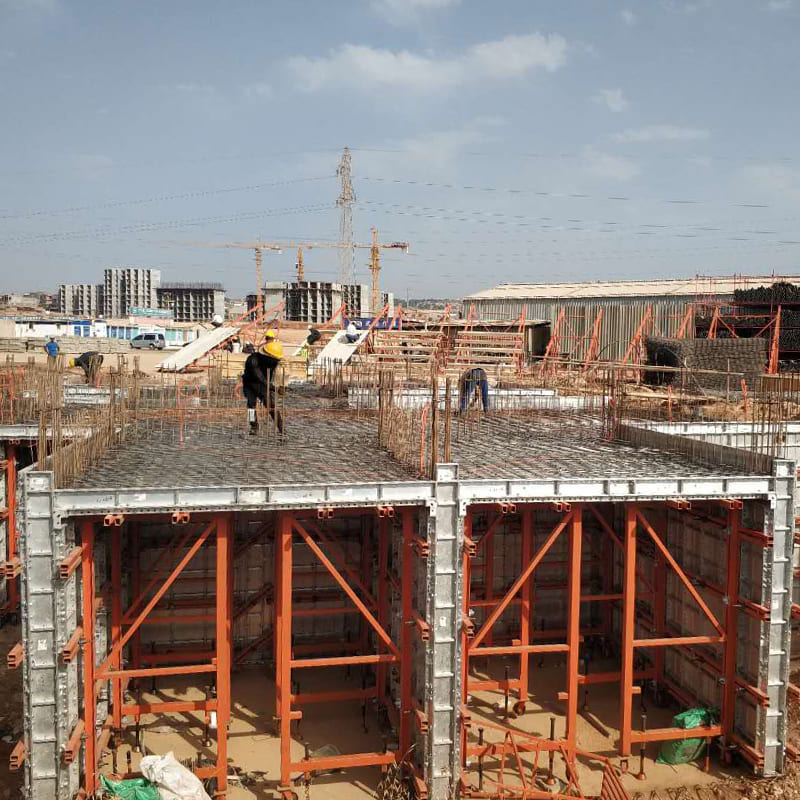
The application scope of aluminum beams for formwork covers every facet of modern urban development:
- High-Rise Residential Buildings: Leveraging their high reuse rate to facilitate cost-effective, assembly-line-style operations.
- Standardized Office Buildings: Providing reliable support for slab formwork and beam soffits.
- Affordable Housing Projects: Large-scale, highly repetitive projects are where the cost-efficiency advantages of aluminum beams are best realized.
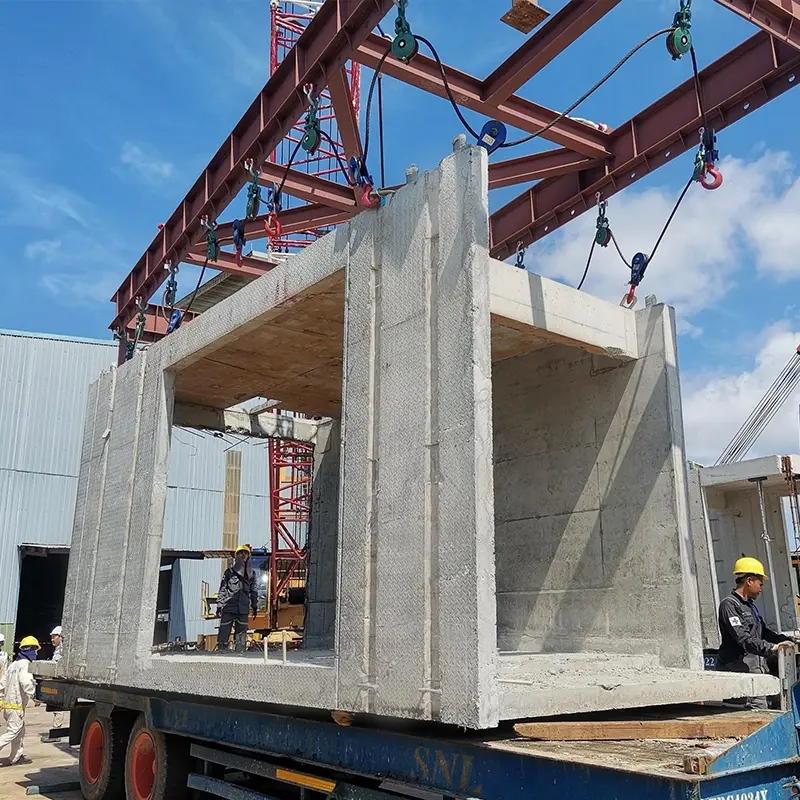
- Prefabricated Construction (PC) Integration: Aluminum beams work seamlessly with both traditional formwork and prefabricated components, a combination expected to play an increasingly important role.
Conclusion
Looking ahead to 2026, competition within the construction industry has shifted from a focus on "scale" to a focus on "efficiency and quality." The aluminium beam represents more than just a simple tool upgrade; it signifies an evolution in construction methodology.
By integrating highly efficient aluminium beams for formwork into a complete formwork system, builders can achieve shorter construction cycles and superior quality. Moreover, amid increasingly stringent environmental regulations, aluminium beams help reduce timber consumption and are 100% recyclable, supporting a greener construction path.
Are you ready to upgrade your formwork components?
Choose GETO Formwork(内链:https://www.getoformwork.com/page/contact-us.html). Let us leverage our professional expertise and high-quality aluminium beams to help you build the high-quality landmarks of 2026.