
Time is the currency of modern construction. Every day saved on a project translates into reduced financing costs, earlier revenue generation, and a stronger competitive position in the market. For high-rise buildings, where dozens of identical floor plates must be cast sequentially, the speed of the formwork cycle directly determines the overall project duration. The GETO aluminium formwork system has been engineered to compress this cycle to just three to five days per floor, a pace that was difficult to achieve with traditional formwork methods . This article examines the specific mechanisms, technologies, and workflow practices that enable this acceleration, providing a detailed look at how aluminium formwork is reshaping construction schedules.
The Three-to-Five-Day Cycle: A New Benchmark in Formwork Productivity
The construction cycle for a single floor involves a sequence of activities: setting the formwork, placing reinforcing steel, pouring concrete, allowing the concrete to gain sufficient strength, and stripping the formwork for reuse on the next level. In traditional timber formwork projects, this sequence typically requires eight to twelve days per floor, with much of the time consumed by the slow assembly and stripping of the timber panels . Steel formwork, while more durable, often requires crane support for handling, which can create bottlenecks as crane time is shared with other tasks on the site.
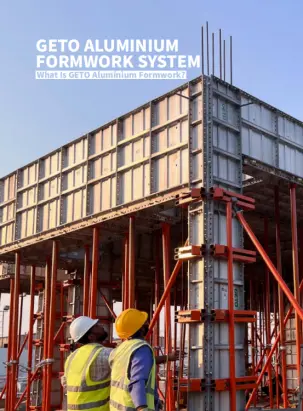
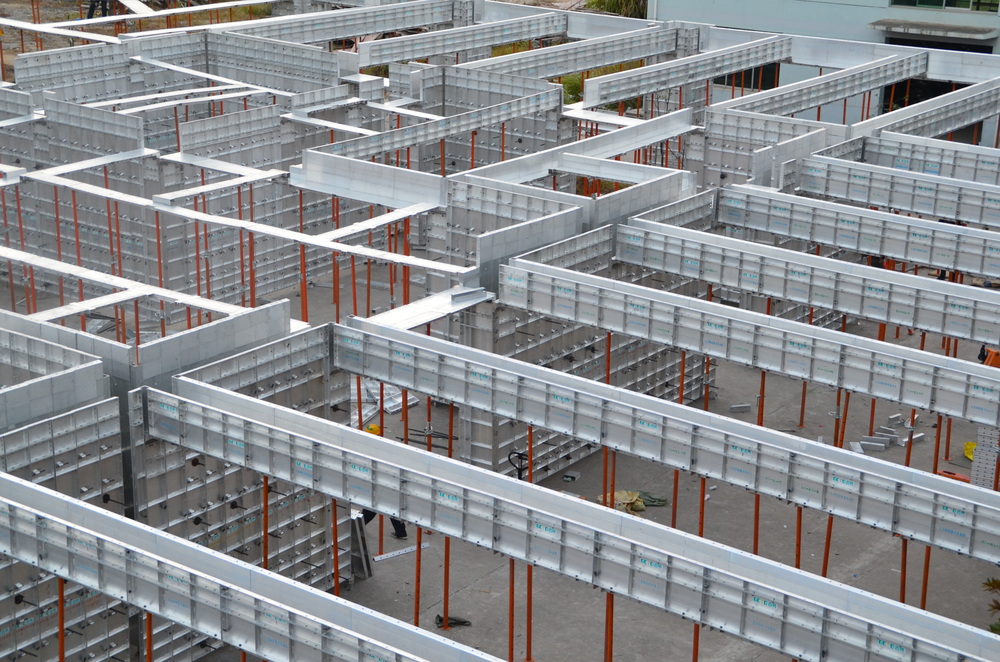
The GETO aluminium formwork system achieves a three-to-five-day cycle through a combination of lightweight materials, precision engineering, and an early-stripping design that allows the formwork to be removed while the concrete continues to cure under the support of independent props . This represents a fundamental shift in formwork methodology, moving from a slow, labour-intensive process to a rapid, systematic operation that can be repeated with consistency across dozens of floors.
The Early-Stripping System: The Technical Core of Rapid Cycling
The speed advantage of the GETO system is not simply a matter of lighter panels. A more significant factor is the engineering of the formwork to enable early stripping of the majority of components while maintaining structural support for the curing concrete.
How the Quick-Stripping Mechanism Works
In traditional formwork systems, the removal of panels often requires the dismantling of the supporting structure, meaning that the concrete must be strong enough to support its own weight before any stripping can occur. This forces the construction team to wait for several days, during which the formwork remains in place and unavailable for use on the next floor.
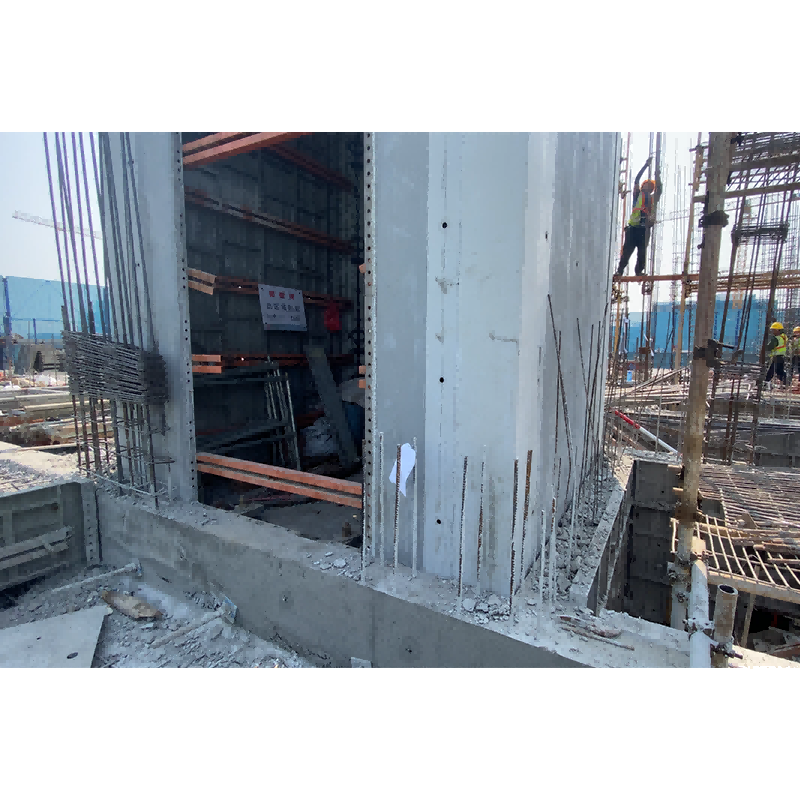
The GETO system incorporates a different approach. The formwork is designed with independent prop heads that remain in position after the concrete has been poured. When the panels are stripped, typically twenty-four to thirty-six hours after pouring, one hundred percent of the upright supports are left intact, providing continuous support to the newly cast slab . The panels themselves, representing approximately ninety percent of the formwork material, are freed for transfer to the next floor. This "fast removal, slow curing" model allows the construction cycle to continue without interruption, as the formwork is cycled upward while the concrete gains strength under the protection of the props .
Stripping Timelines for Different Structural Elements
The early-stripping capability applies to various structural components, though the timing differs based on the element's role in the structure. Vertical members such as walls and columns can have their formwork removed as early as twelve to twenty-four hours after pouring, provided the concrete surface has hardened sufficiently . Beam side panels follow a similar timeline. For floor slabs, the aluminium panels can be stripped after thirty-six to forty-eight hours, with the early-removal prop heads and uprights retained . The supporting props themselves remain in place for ten to twenty days, until the concrete reaches one hundred percent of its design strength. This staged approach ensures structural safety while maximising the utilisation of the formwork system.
Digital Tools That Accelerate the Workflow
The physical attributes of the aluminium formwork are amplified by a suite of digital tools that streamline the design, planning, and installation phases of the project. These tools reduce errors, simplify on-site assembly, and enable construction teams to work with greater speed and confidence.
Industrial 3D Design Software and Error Reduction
The efficiency of an aluminium formwork project is determined to a large degree by the quality of the design phase. The GETO Industrial 3D Design Software enables designers to create a complete digital model of the formwork assembly, optimising the panel layout and detecting potential clashes or errors before any physical production begins . This proactive approach eliminates the costly and time-consuming corrections that often arise when issues are discovered during installation. The software can also generate detailed assembly drawings and material lists, ensuring that the panels and components delivered to the site are precisely what is required for the job.
QR Code System for Accurate On-Site Assembly
The transition from digital design to physical installation is supported by a QR code management system that links each formwork panel to its designated position in the assembly. Each panel carries a unique code that can be scanned on site, allowing workers to quickly verify that they are placing the correct panel in the correct location . This system reduces the need for highly skilled formwork specialists to interpret complex drawings, allowing a broader range of construction workers to contribute to the installation process. The result is faster assembly times, fewer errors, and a more efficient use of the available labour.
Lightweight Design and Labour Efficiency
The physical handling of formwork panels is a significant factor in the speed of the installation and stripping process. The weight of the panels determines whether they can be moved manually or require mechanical lifting, and the ease of assembly influences the size of the crew required.
22-25 kg/m²: A Weight That Changes On-Site Logistics
The GETO aluminium panels weigh approximately twenty-two to twenty-five kilograms per square metre, a figure that places them at the lighter end of the formwork spectrum . This weight is manageable for two workers to handle manually, reducing the dependency on cranes and other lifting equipment. In projects where crane time is a constraint, the ability to move and position panels without mechanical assistance provides a significant scheduling advantage. The lightweight construction also reduces the physical strain on workers, which can contribute to higher productivity and lower rates of fatigue-related errors.
Lower Workforce Requirements and Faster Training
The modular nature of the GETO system simplifies the assembly process. Panels are designed to fit together with precision, using standardised connections that require no on-site cutting or modification. The result is a system that can be assembled by workers with relatively limited experience. The QR code system further reduces the skill requirement by providing clear guidance on panel placement. This accessibility allows project managers to deploy a larger pool of workers to the formwork task, and the reduced reliance on highly skilled carpenters can be a significant benefit in markets where such specialists are in short supply . The combination of lighter panels and simpler assembly means that a given crew can complete more square metres of formwork per day, contributing directly to the three-to-five-day floor cycle.
A Note on Formwork System Selection
The choice of the appropriate formwork system can also influence site efficiency. GETO offers both tie-rod and flat-tie systems to suit different project requirements. For more information on selecting the right system based on project-specific parameters, refer to the detailed system comparison guide.
Real-World Performance: The GETO System in Practice
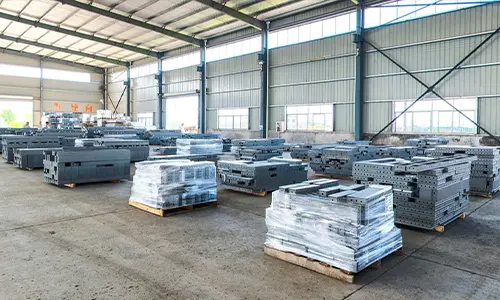
The technical capabilities of the GETO aluminium formwork system have been validated through projects of various scales and complexities. The following table summarises the performance characteristics of the GETO system in comparison to traditional alternatives, based on field experience and industry benchmarks.
|
Performance Metric |
GETO Aluminium Formwork |
Timber Formwork |
Steel Formwork |
|
Typical Floor Cycle |
3-5 days |
8-12 days |
8-10 days |
|
Panel Weight |
22-25 kg/m² |
Approx. 10-30 kg/m² |
35-85 kg/m² |
|
Labour Requirement |
Low; minimal specialist skills needed |
High; skilled carpenters required |
Moderate; often crane-dependent |
|
Assembly Speed |
Fast; modular pin-wedge connections |
Slow; requires cutting and fitting |
Medium; bolted connections |
|
Residual Value |
High; aluminium is recyclable |
Low; minimal scrap value |
Moderate; scrap steel value |
The one example of the system's application in a high-rise commercial project in East Asia illustrates the real-world impact of these performance characteristics. The project involved an eighteen-storey office building with two core tubes, requiring a solution that could handle the repetitive floor layout while maintaining speed and safety. The GETO integrated climbing system and aluminium formwork system achieved rapid cycling, with the formwork moving upward floor by floor in a systematic and efficient manner . The project's success reflects the broader applicability of the system to projects where schedule is a critical success factor.
Conclusion: The Efficiency Advantage of GETO Aluminium Formwork
The three-to-five-day floor cycle is not a theoretical specification but a practical outcome that has been demonstrated across numerous projects. The GETO aluminium formwork system delivers this speed through a combination of a lightweight yet strong material, an early-stripping design that minimises downtime, and a suite of digital tools that streamline the design and installation process. The lightweight panels reduce the reliance on lifting equipment, while the QR code management system allows crews to assemble the formwork with speed and accuracy.
The schedule advantages of the GETO system translate directly into economic benefits. A faster construction timeline reduces financing costs, allows for earlier occupancy or sale of the completed building, and can provide a competitive edge in markets where speed to market is a key differentiator. For high-rise projects with repetitive floor layouts, where the formwork cycle is repeated dozens of times, the cumulative time savings can be substantial. The GETO system offers a proven path to achieving these savings, combining practical, field-tested engineering with the support of a comprehensive service model. For contractors and developers aiming to maximise the efficiency of their construction operations, the GETO aluminium formwork system represents a solution that delivers measurable results on every floor.